
 Content Clusters
Reptile Misting System Not Priming or Losing Pressure?
Find out why your reptile mister runs without spraying. Check the reservoir, pump intake, tubing, and nozzles in a safe order that fits your system.

Expert guides for reptile and terrarium enthusiasts. Reviews on terrariums, heating, lighting, and care for snakes, lizards, and more.
Every published guide is organized by the decision you are trying to make, from first setup to troubleshooting and product selection.
3 guides
Work from the symptom to the safest next check, repair, or replacement decision.
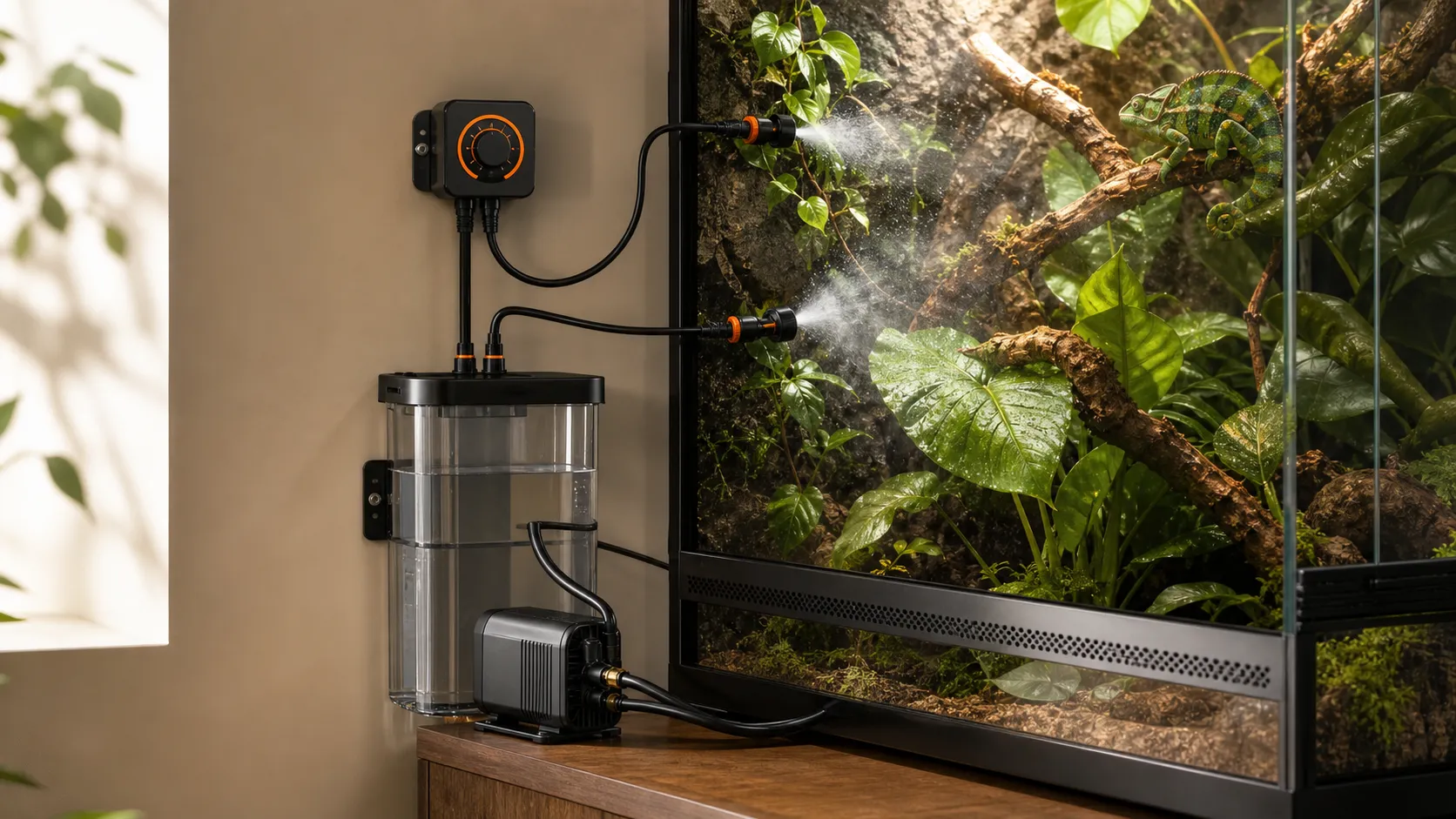
Find out why your reptile mister runs without spraying. Check the reservoir, pump intake, tubing, and nozzles in a safe order that fits your system.
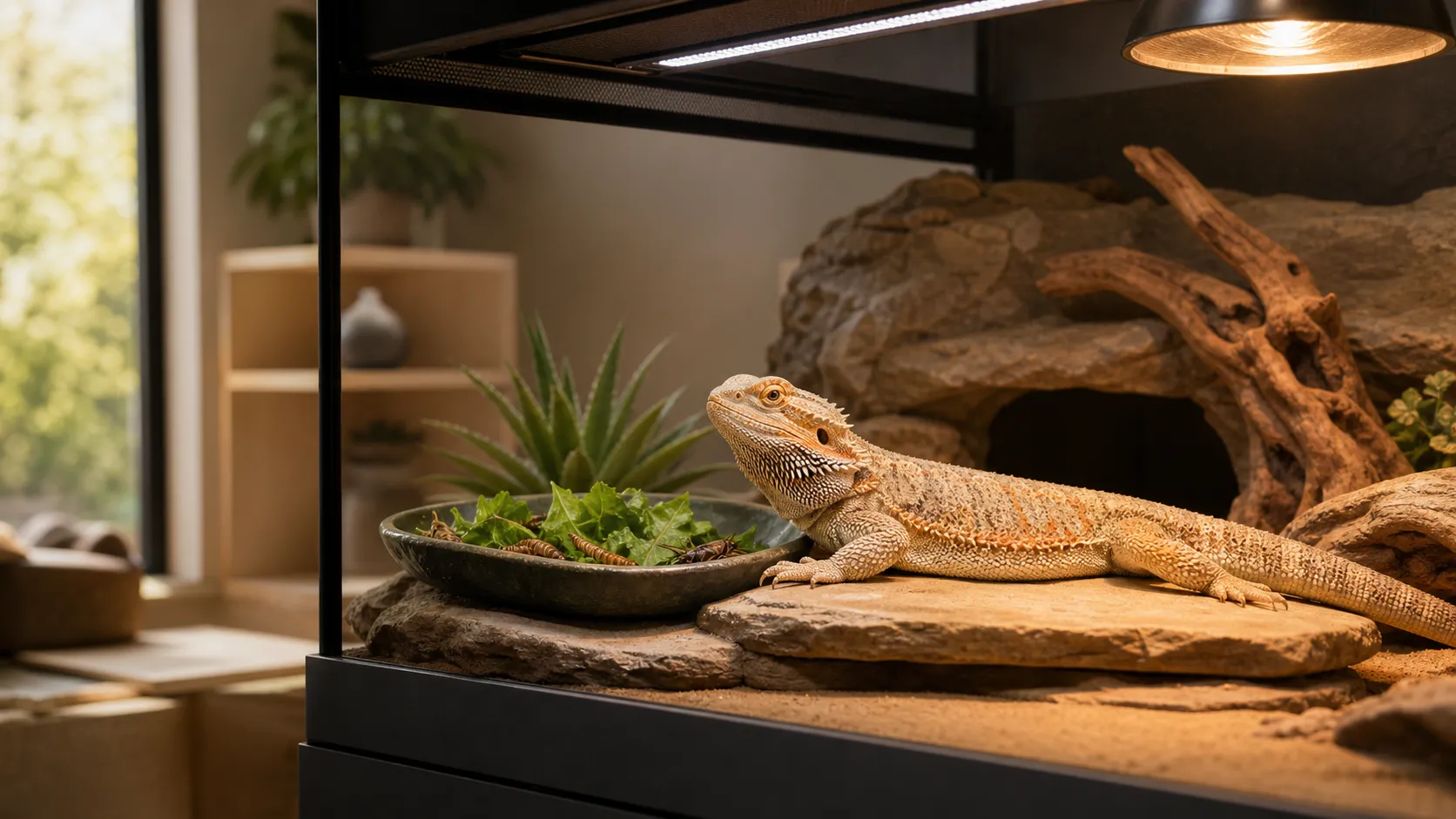
Is your bearded dragon not eating? Learn what to check first, how heat and UVB affect appetite, how to spot brumation, and when a reptile vet is needed.
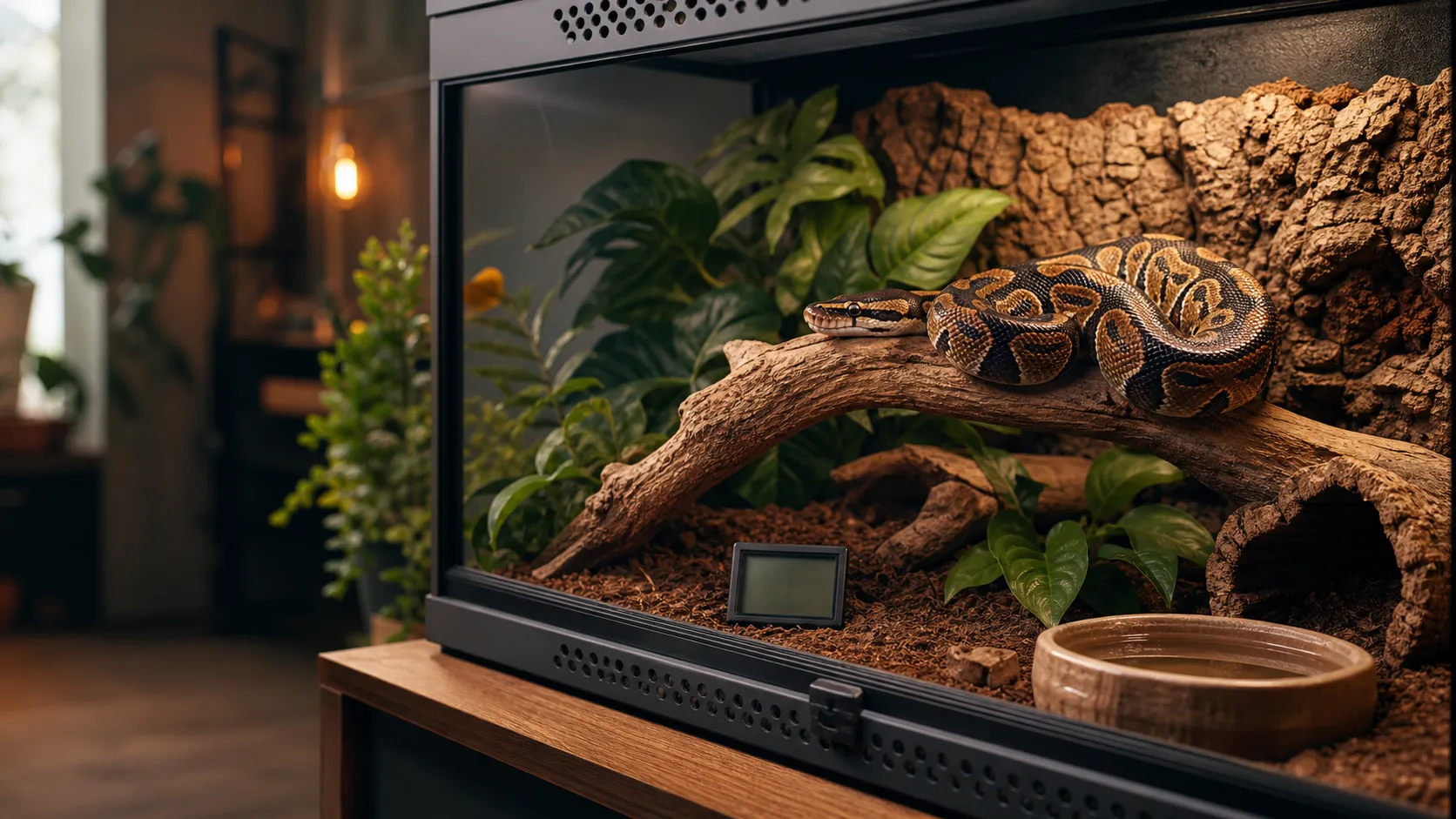
Is your ball python enclosure too dry or too wet? Diagnose the hygrometer, substrate, ventilation, water bowl, heat source, and room climate safely.
11 guides
Build a safer, more comfortable environment with clear placement and care steps.
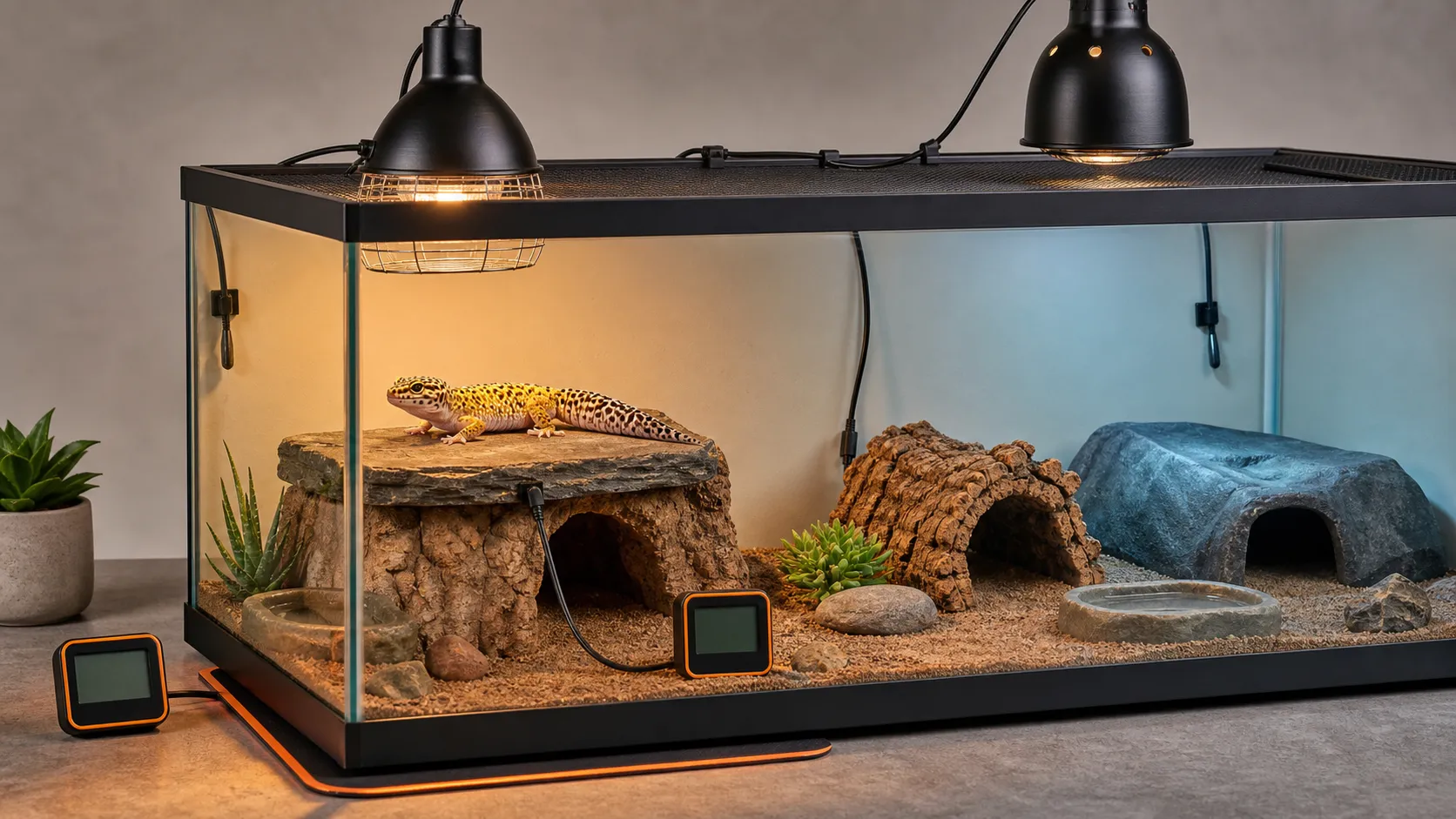
Find the correct thermostat probe position for a reptile heat mat, basking lamp, ceramic heater, or DHP, with practical diagrams and test steps.
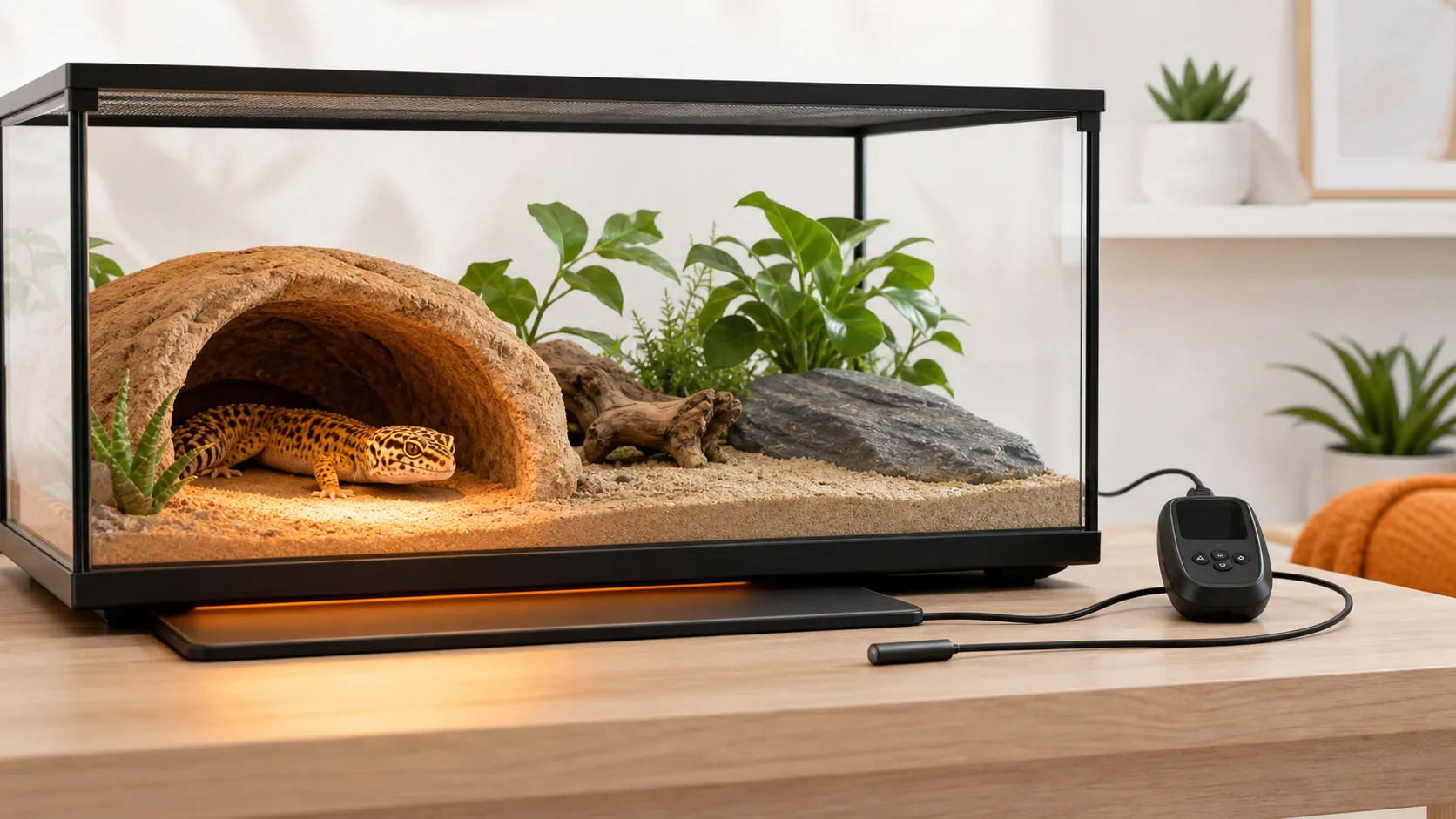
Learn how reptile heat mats work, which sizes fit common terrariums, why a thermostat is essential, and how to set up safe warm and cool zones for geckos and snakes.
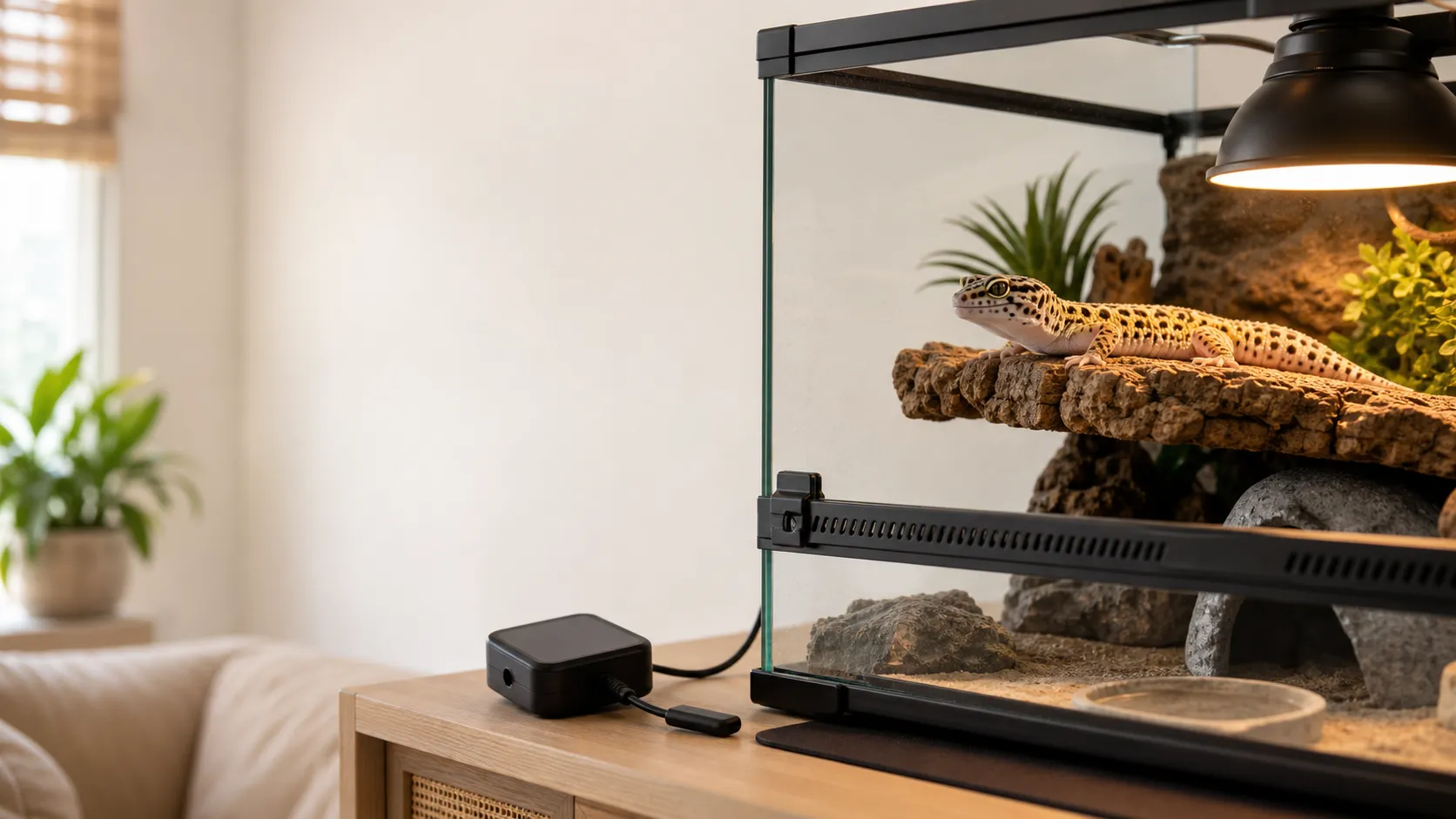
Match dimming, pulse, or on/off thermostats to heat mats, CHEs, DHPs, and basking lamps with practical US setup guidance.
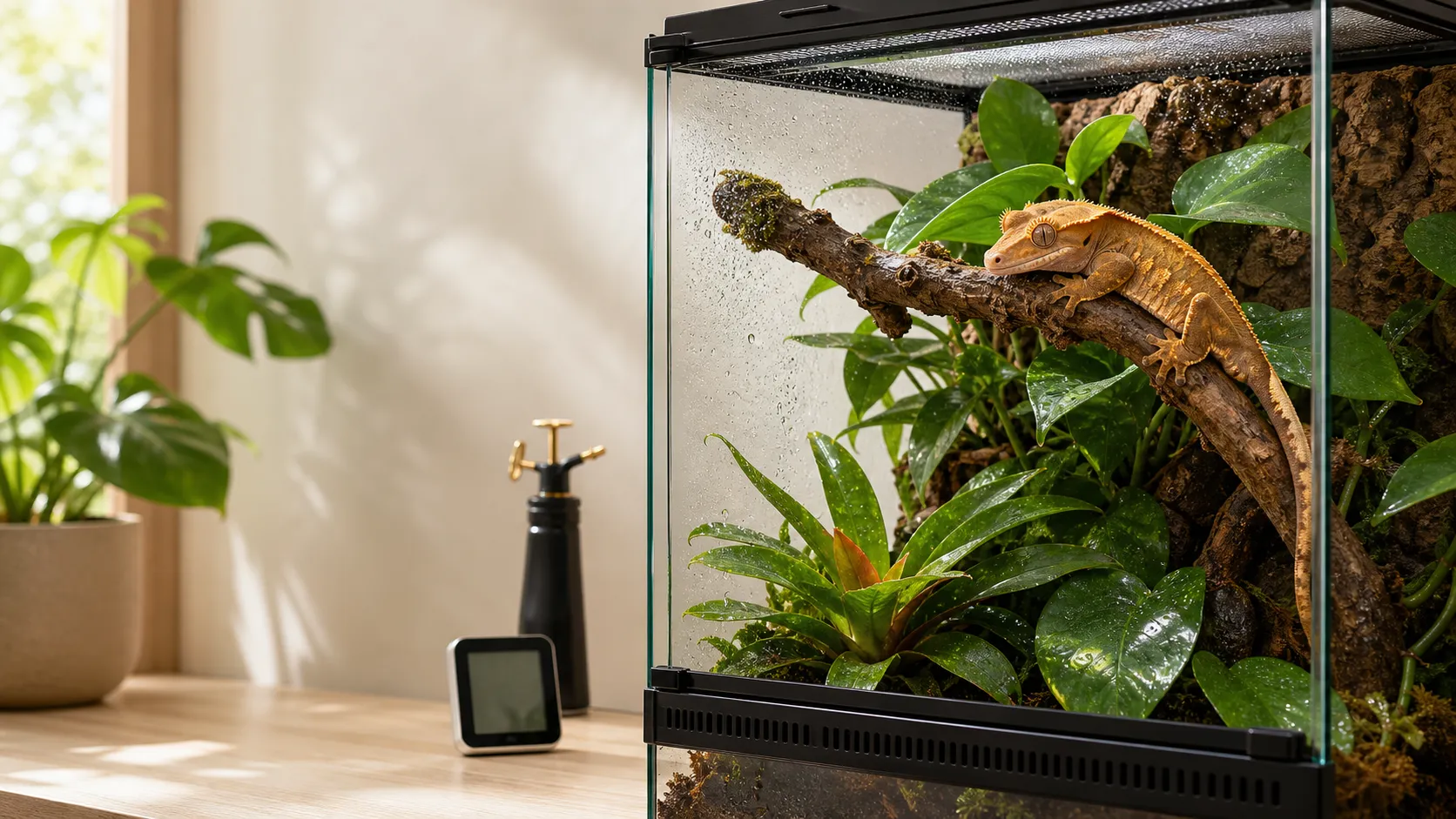
Build a healthy crested gecko humidity setup with the right humidity cycle, hygrometer placement, misting routine, substrate choices, and troubleshooting steps.
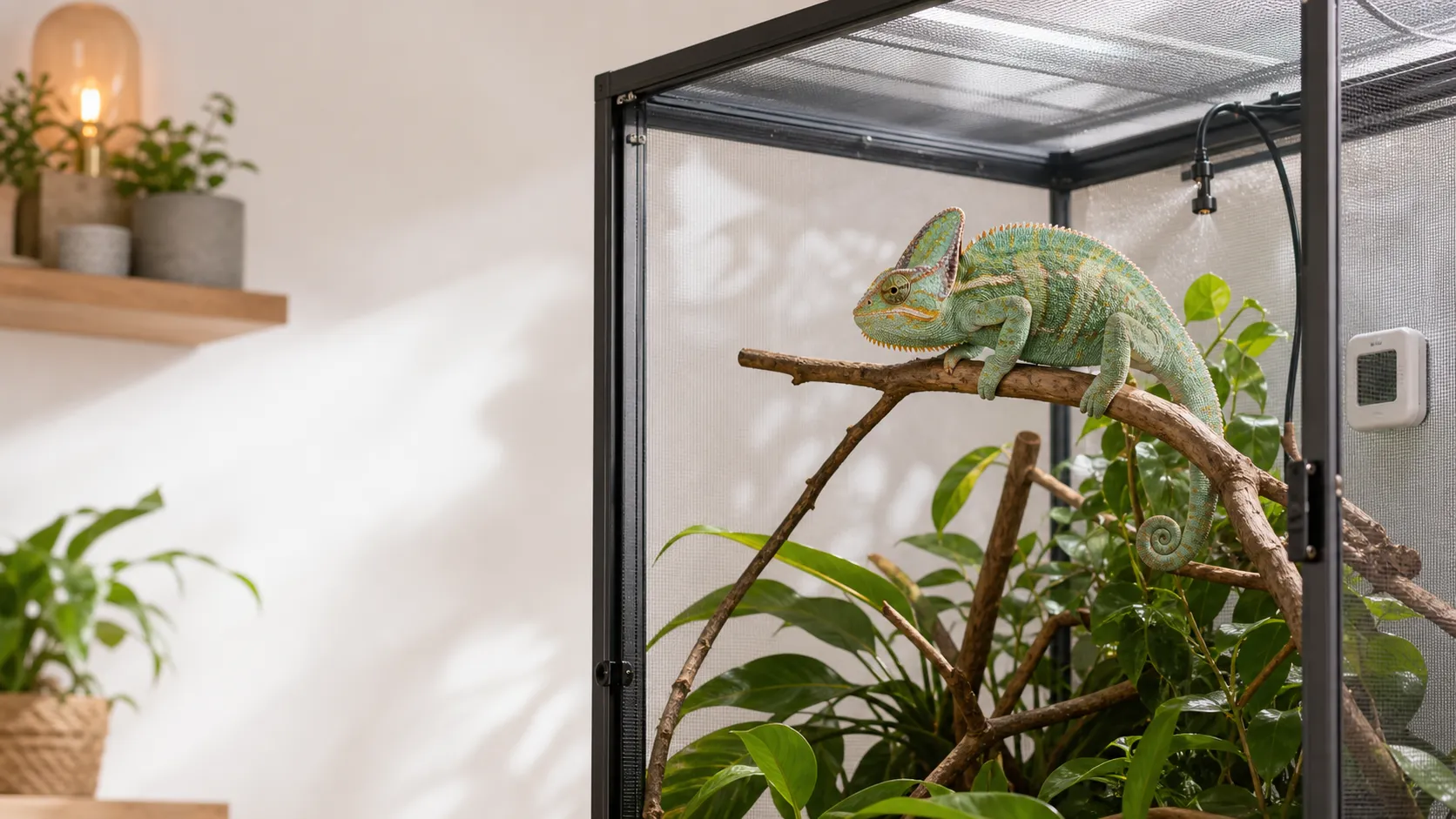
Set up a reliable humidity cycle for veiled and panther chameleons, with separate day and night conditions, accurate measurements, ventilation, and drinking water.
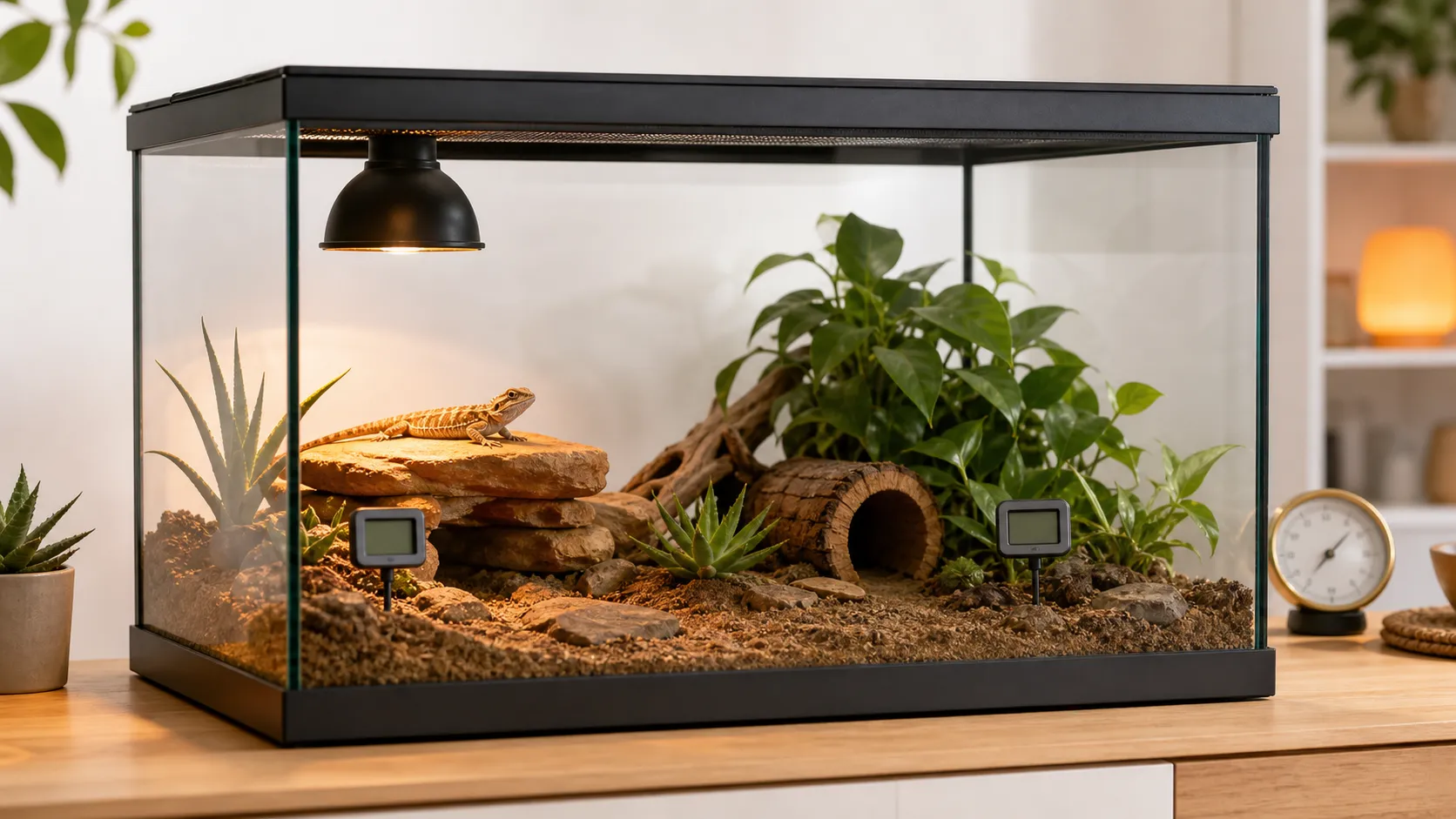
Learn where to place reptile hygrometers, how warm- and cool-side readings differ, and how to calibrate and compare analog and digital sensors.
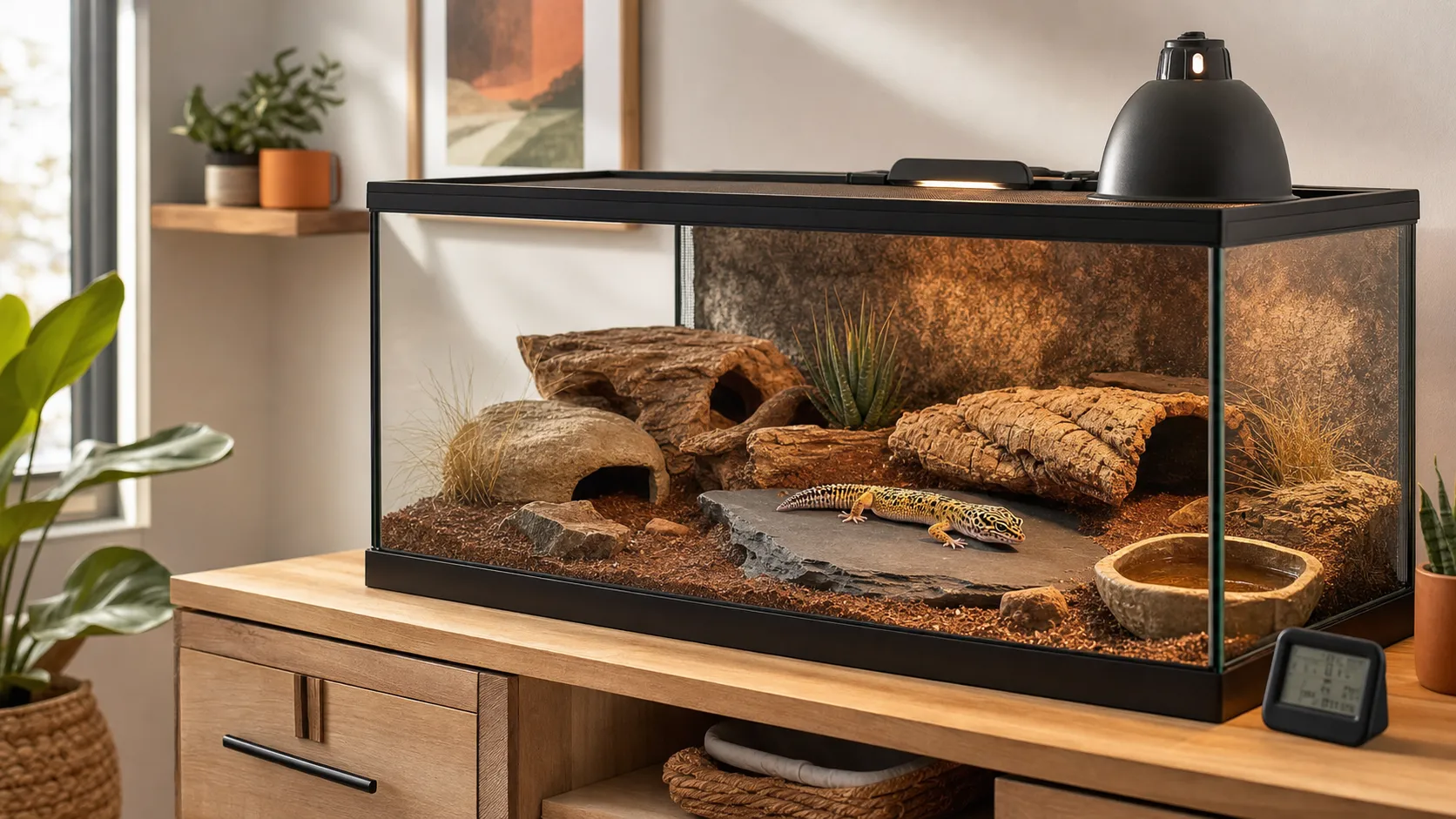
Build a safe leopard gecko enclosure with the right floor space, heat gradient, hides, substrate, UVB, and monitoring tools.
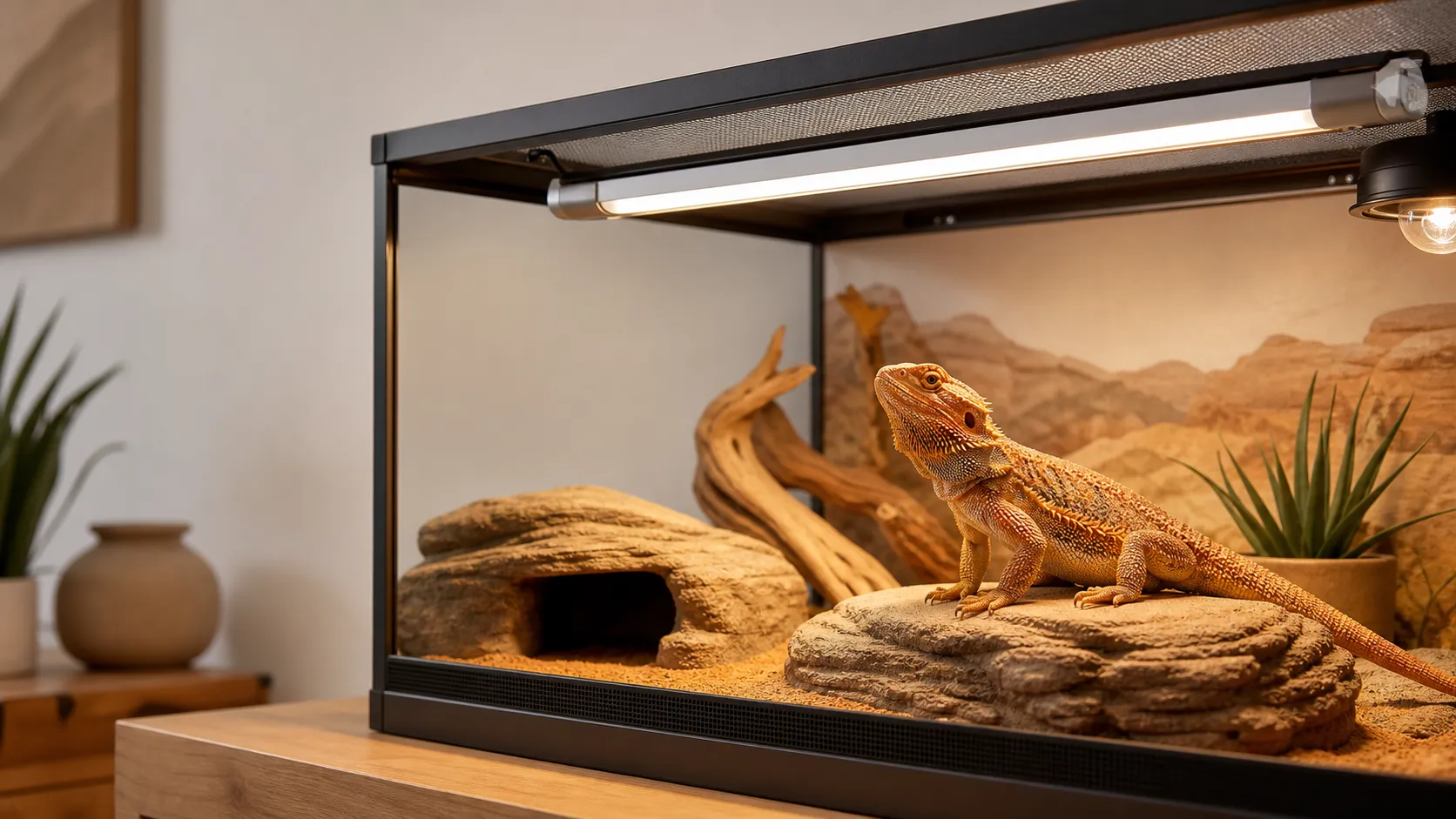
Build a safe bearded dragon UVB setup with the right T5-HO fixture, distance, mesh placement, UVI gradient, schedule, and replacement routine.
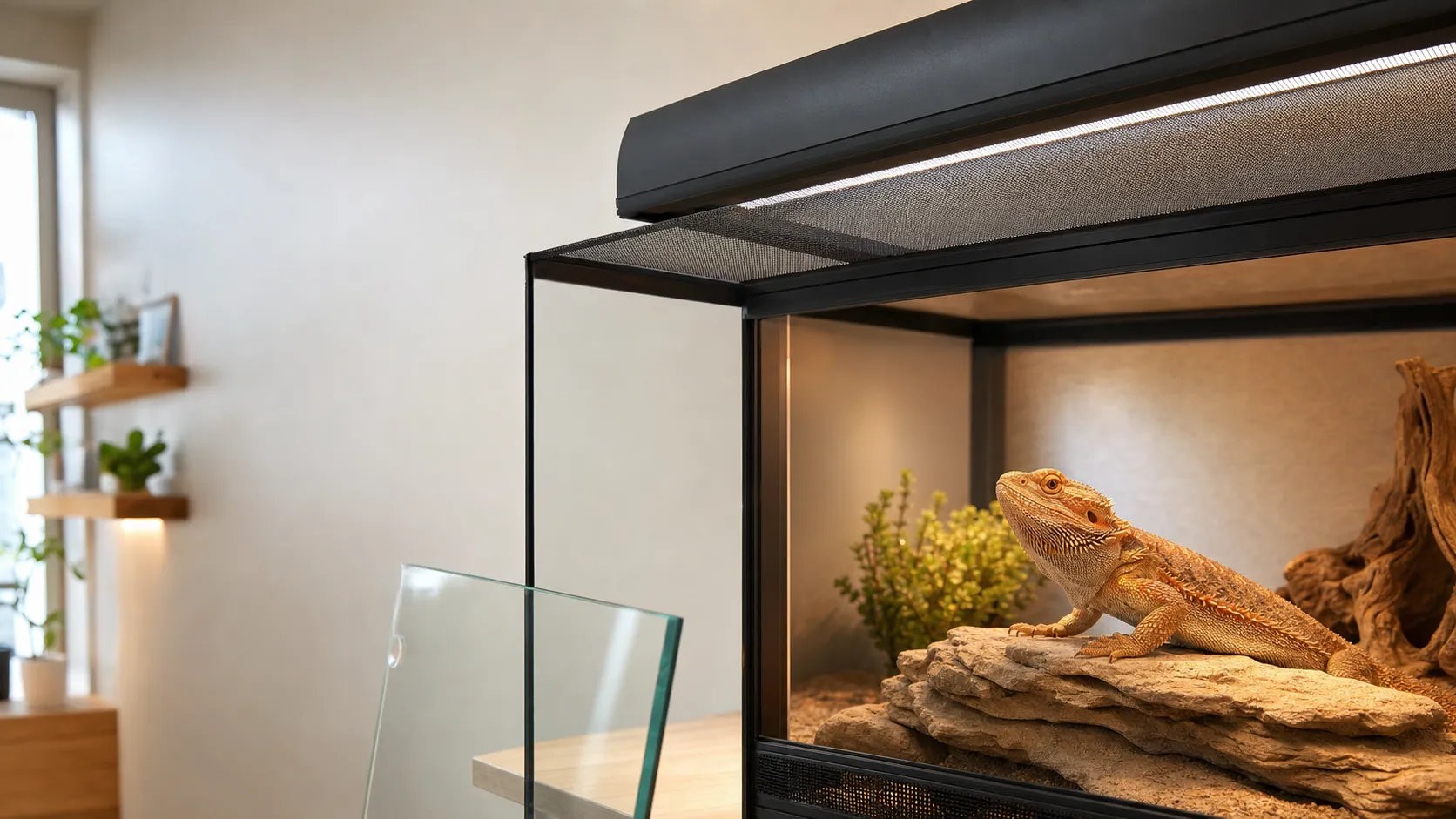
Learn how mesh, glass, reflectors, lamp type, and distance change reptile UVB. A measured placement guide with UVI checks and compatible equipment.

Find out whether temperature swings reach your reptile eggs, then check the probe, container, thermostat, room, and power without disrupting a live clutch.
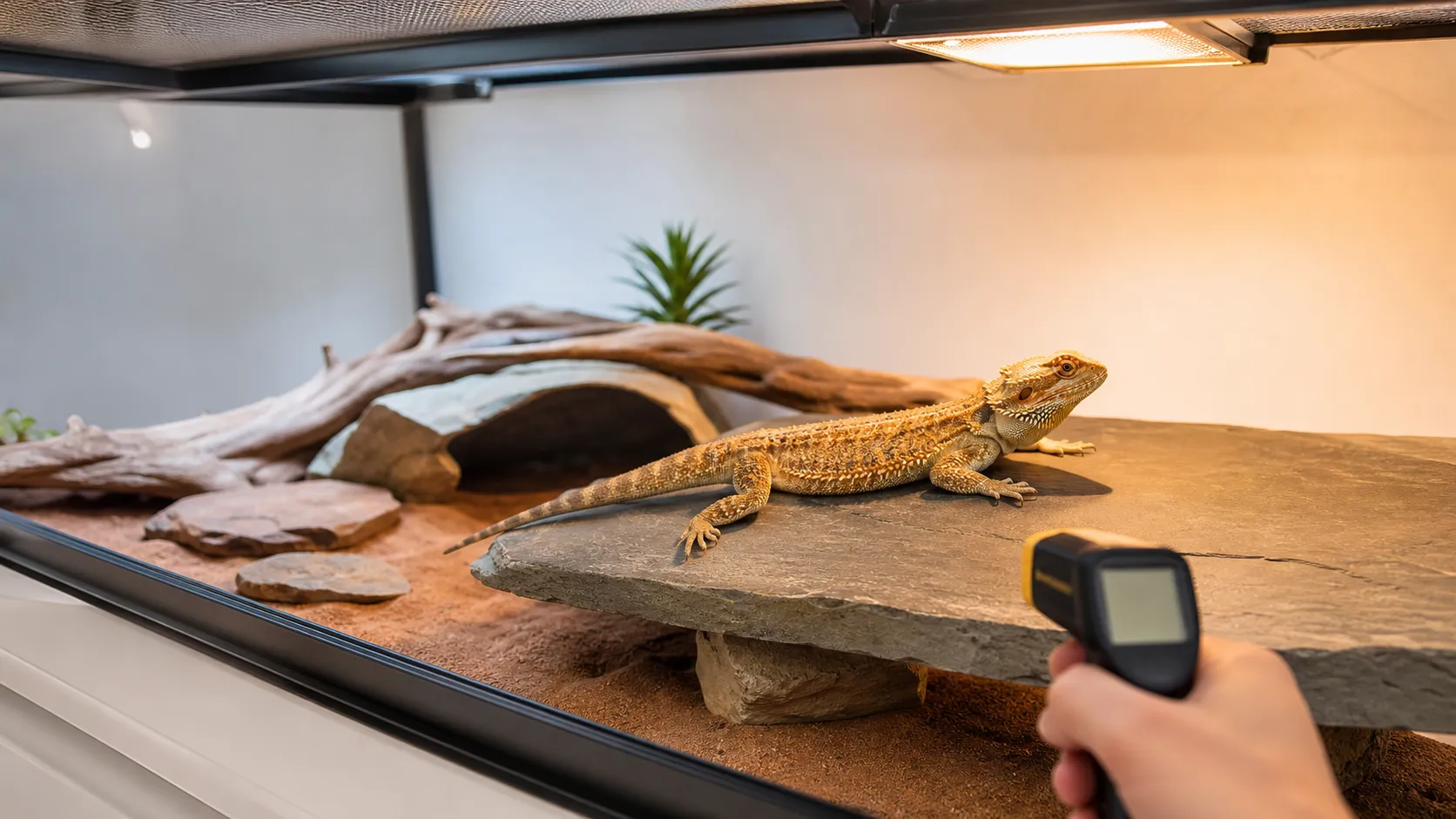
Is your bearded dragon basking spot too hot or too cold? Learn how to measure the surface and air correctly, read the gradient, and fix it safely.
1 guides
Compare competing products by fit, constraints, trade-offs, and real-world use.
4 guides
Shortlist products with the specifications and questions that matter for your situation.
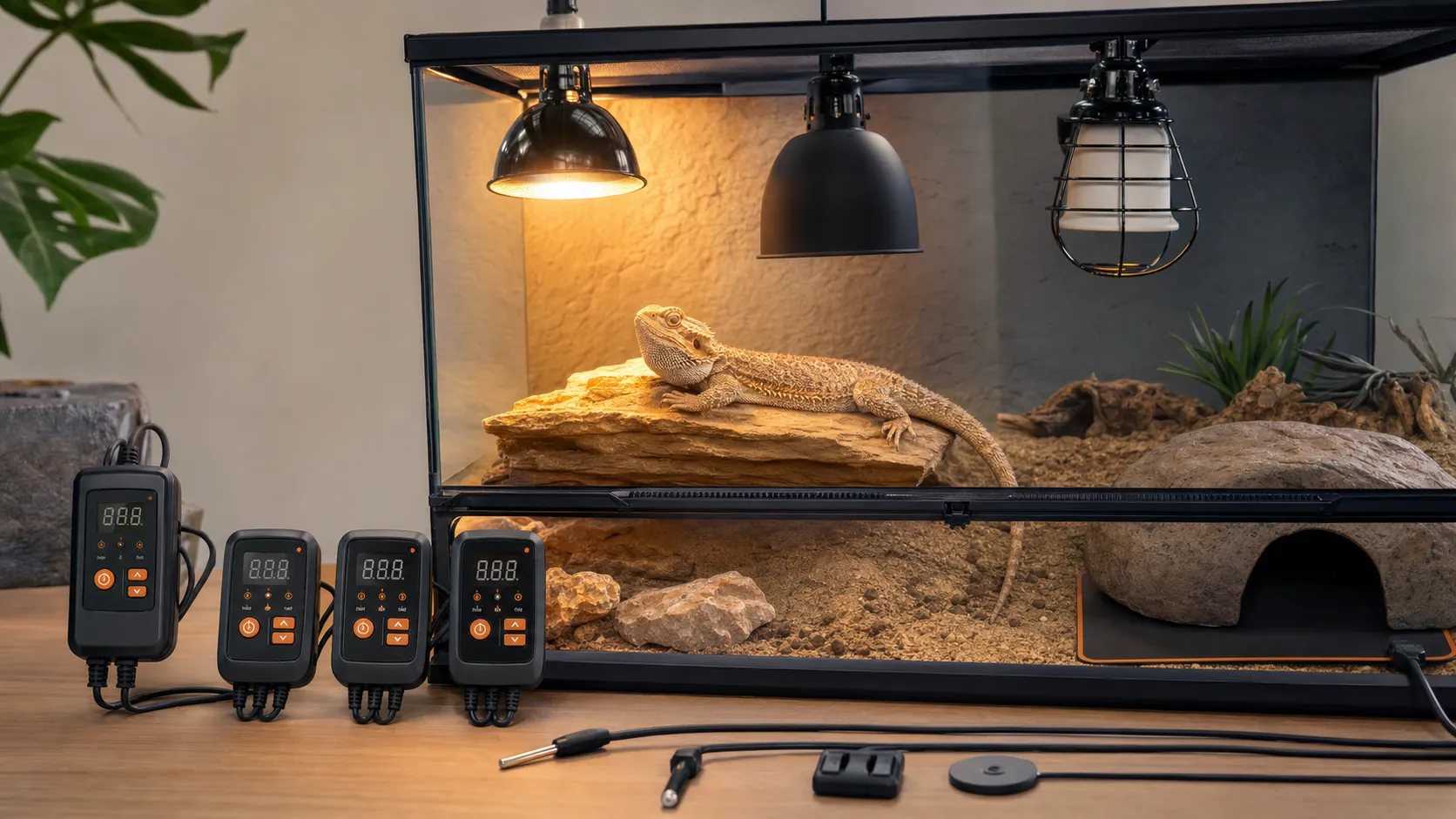
Compare reptile thermostats by control mode, heater compatibility, electrical load, probe design, and safe setup guidance.
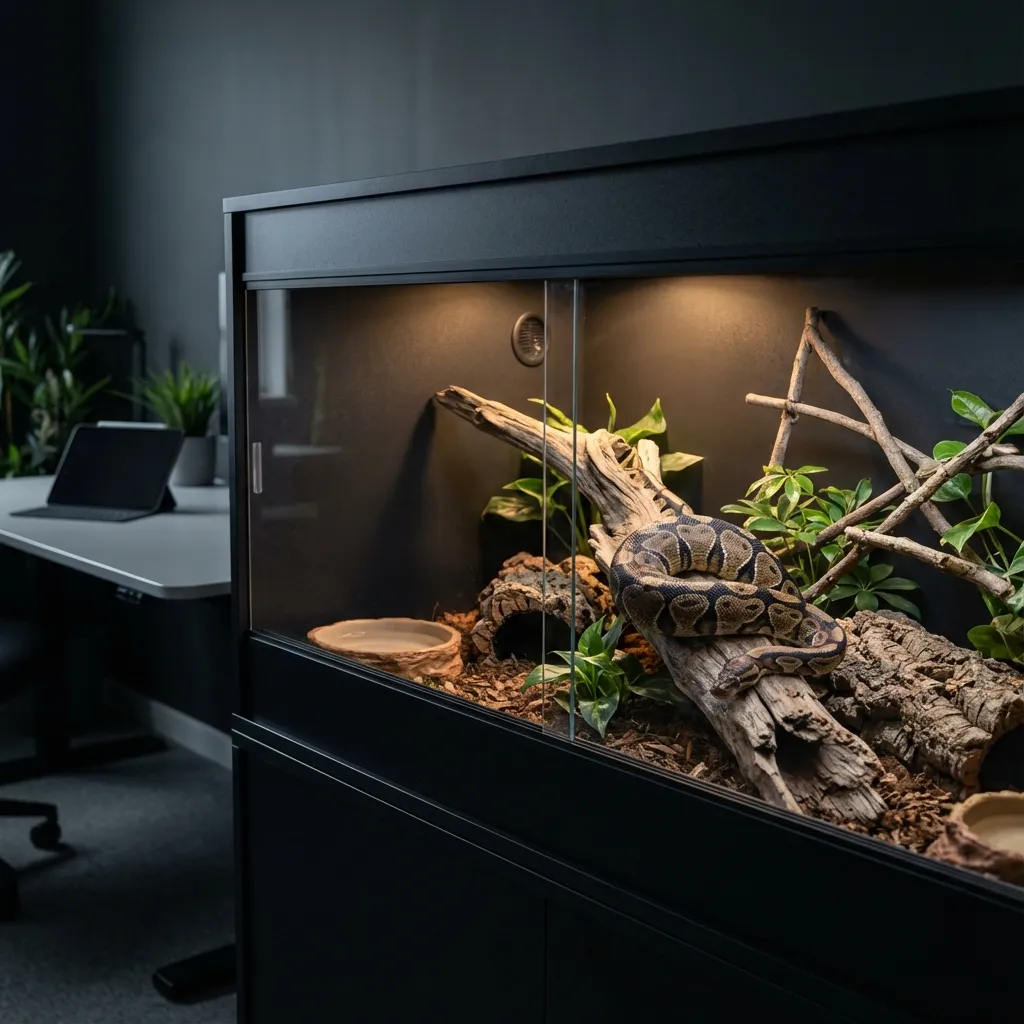 Featured
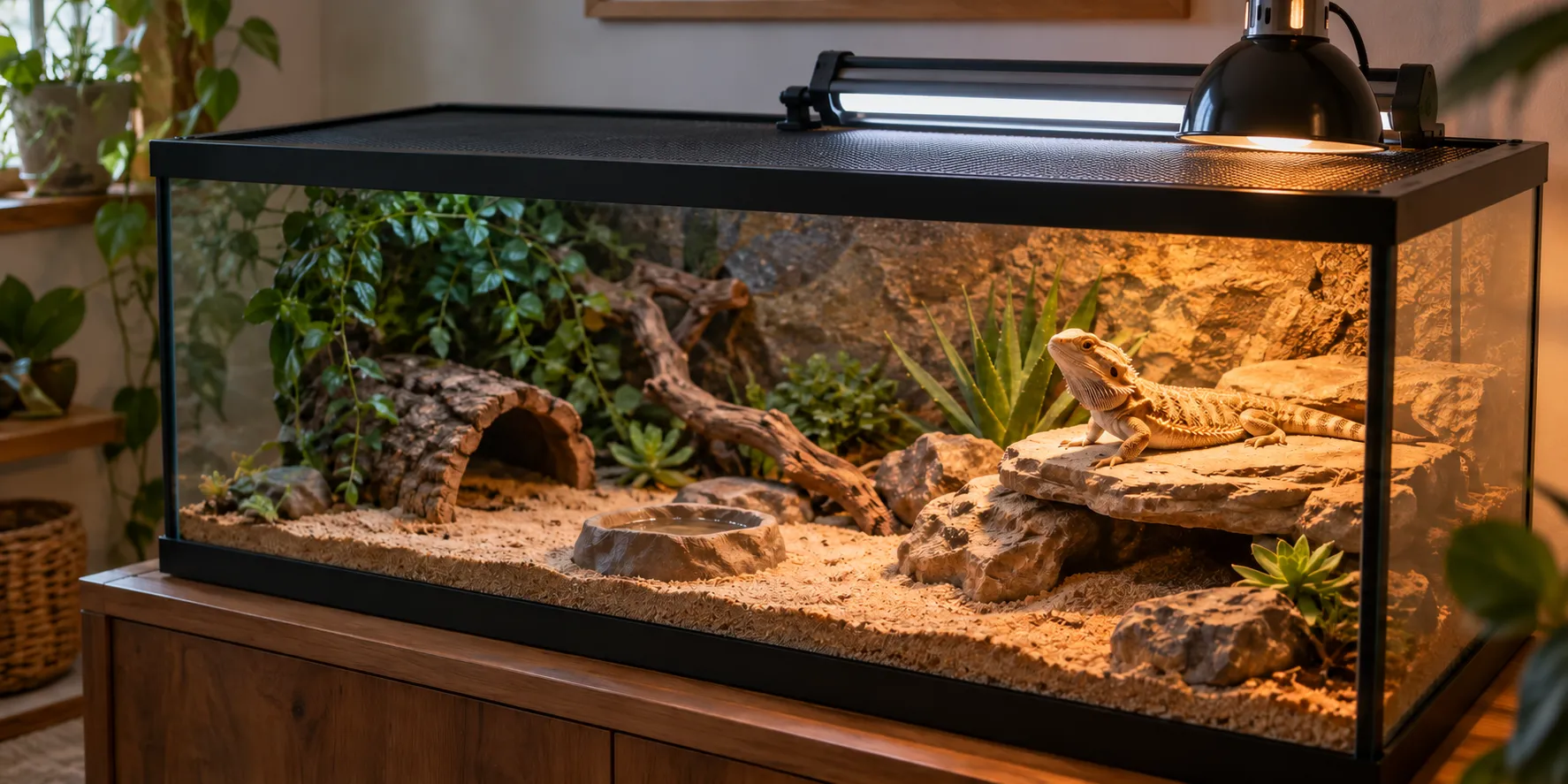
 Compare four ball python enclosures by usable space, ventilation, heating and material. Check documented dimensions, practical limits and long-term suitability.
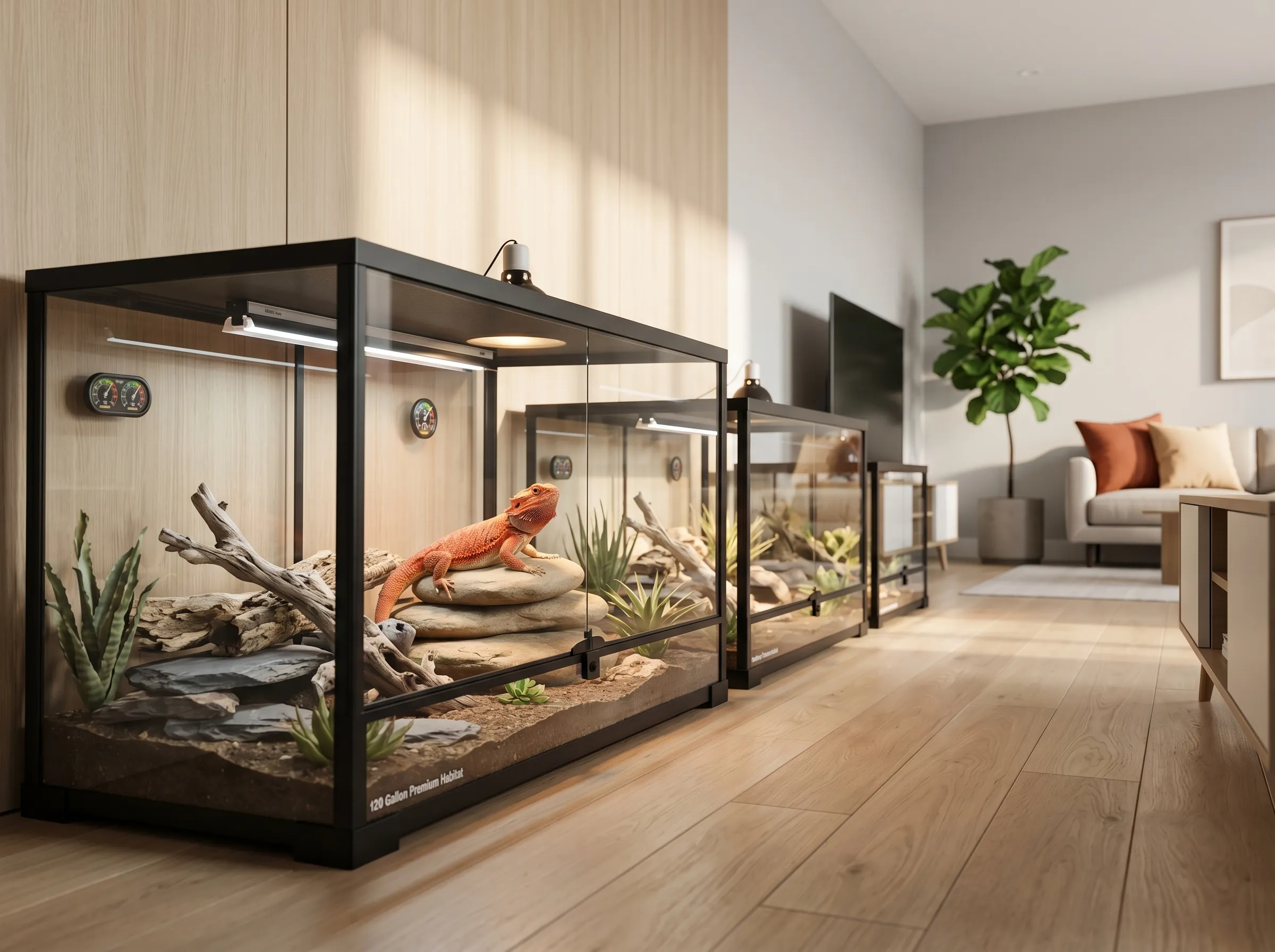
Compare five bearded dragon enclosures by usable space, access, materials, and setup needs. Learn which sizes fall short for permanent adult housing.
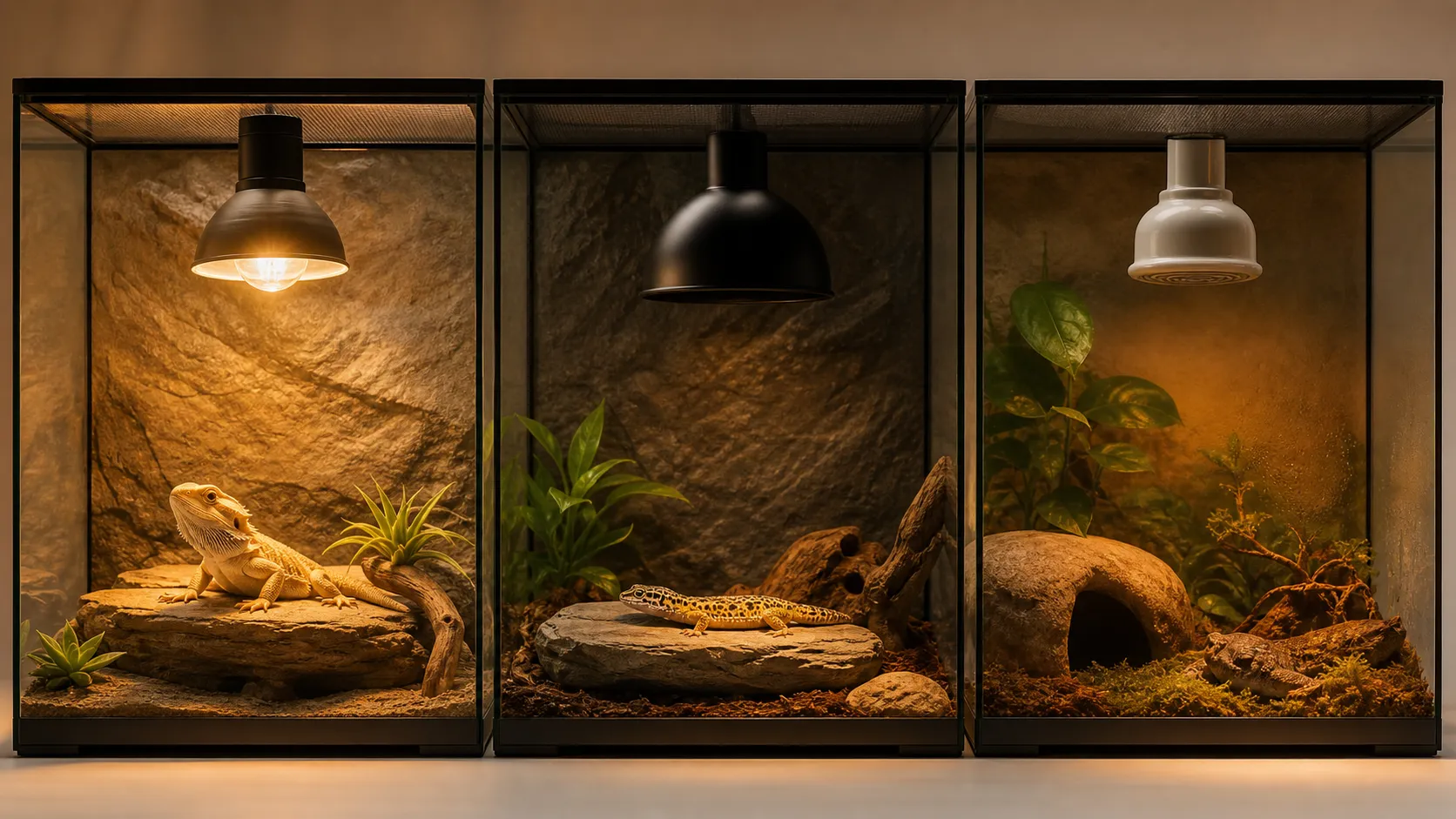
Compare three complete reptile UVB kits by lamp, reflector, size, distance, and species-specific UV index, with practical checks for mesh and shade.
Expert advice for reptile keepers and enthusiasts
Reptiles are fascinating creatures that make captivating pets for dedicated keepers. Whether you're interested in snakes, lizards, turtles, or amphibians, successful reptile care requires understanding their specific temperature, lighting, humidity, and dietary needs. Each species has unique requirements that must be carefully met for optimal health and lifespan.
Zoolory's reptile care guides provide comprehensive information for beginners and experienced keepers. Our expert articles cover terrarium setup, heating and lighting systems, substrate selection, live feeding, and disease prevention. We also review terrarium equipment, feeding supplies, and hides to help you create the ideal environment for your reptilian companion.
Detailed guidance for successful reptile keeping
We provide expert information on:
• Terrarium Setup: Enclosure sizing, substrate, and structure • Temperature & Heating: Heat sources and maintaining proper temperature gradients • Lighting Systems: UVB lighting requirements for different species • Humidity Control: Maintaining proper moisture levels • Feeding & Nutrition: Live prey, prepared foods, and supplements • Handling & Behavior: Safe handling techniques and behavioral understanding • Brumation & Hibernation: Seasonal care adjustments
Essential items for reptile health and care
Our reviews include:
- Terrariums and enclosure equipment • Heating elements (heat tape, heat lamp, under-tank heater) • UVB and full-spectrum lighting systems • Substrates for various environments • Hides and enrichment structures • Food and feeding supplies • Supplements and vitamins • Humidity monitoring and control equipment • Cleaning and disinfection products
Essential tips for choosing the best products for your reptile care guides & product reviews
Always prioritize quality over price. Your pet deserves products that are safe, durable, and built to last.
Read reviews, compare ratings, and check for certifications before making any purchase decision.
Think about long-term costs including replacements, accessories, and maintenance when comparing prices.
Temperature requirements vary by species. Most reptiles need a temperature gradient with a warm basking spot and a cooler area. Research your specific species' needs.
Most diurnal reptiles require UVB lighting for vitamin D3 synthesis and calcium metabolism. Nocturnal species may have different requirements.
Humidity needs to be considered with temperature, ventilation, and the time of day. See the separate day and night conditions for veiled and panther chameleons, followed by sensor placement, watering, and enclosure checks.
 Expert Advice
 Questions