
 Content Clusters
Reef Return Pump Size Calculator: GPH After Head Loss
Find the flow and head your reef return pump needs, measure the full plumbing route, and choose a pump that can deliver the target in your aquarium.

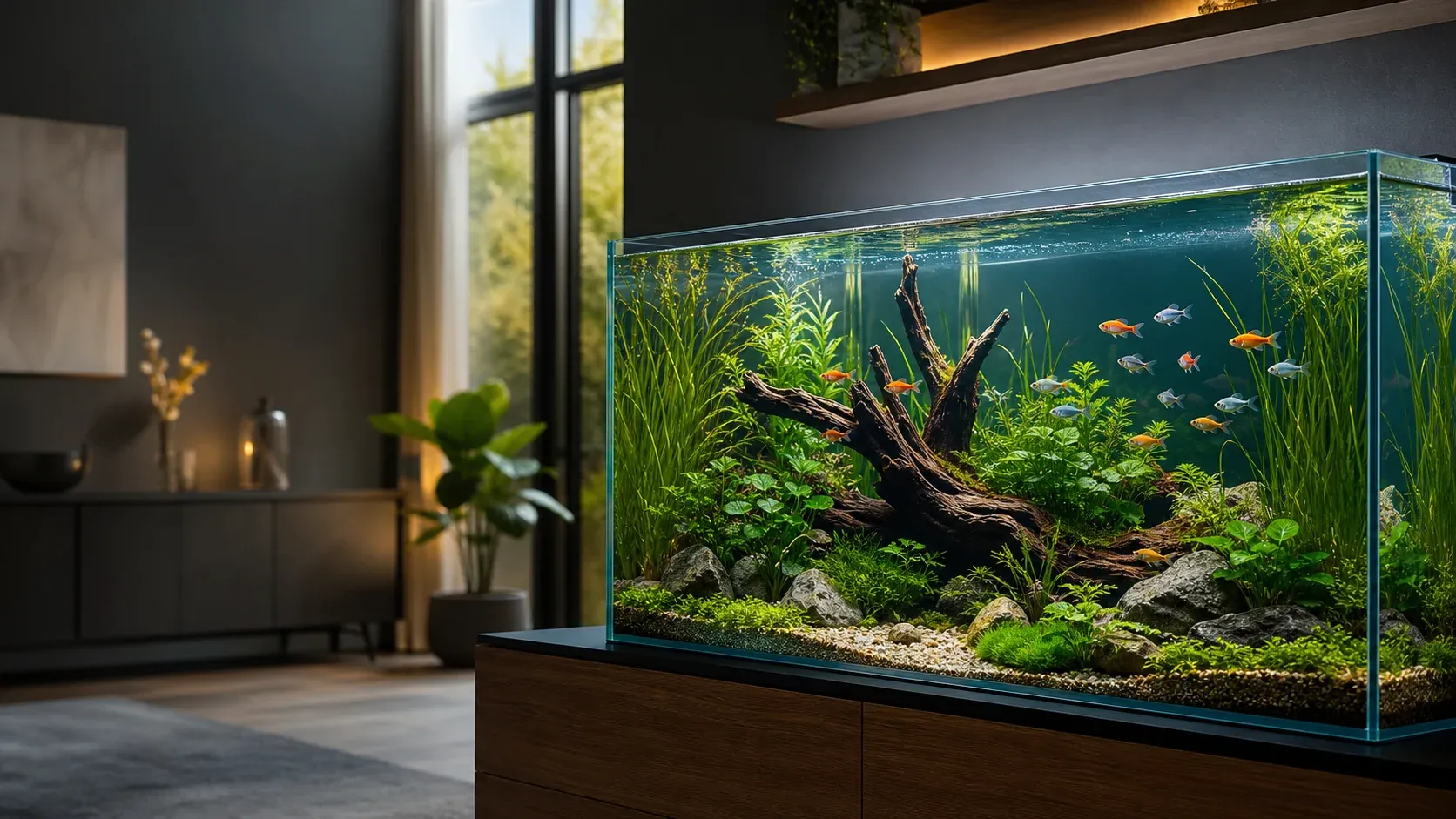
Complete aquarium guides - from tank setup to fish care. Expert reviews on filters, heaters, lighting, and everything for freshwater and saltwater tanks.
 Featured
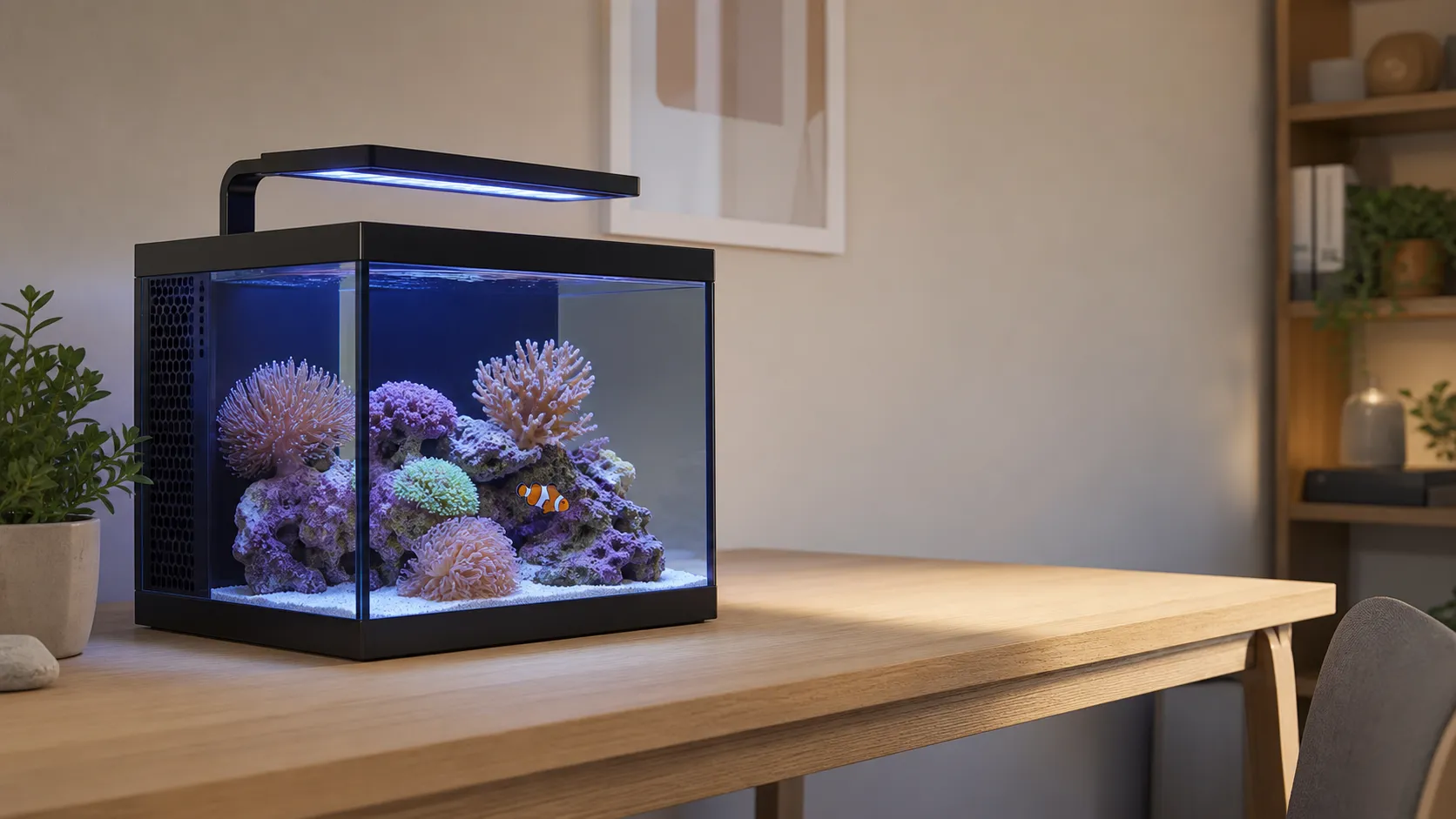
 Fluval Evo 13.5 review: real specifications, lighting limits, missing equipment, stocking advice, maintenance load, and sensible upgrades.
Read Article →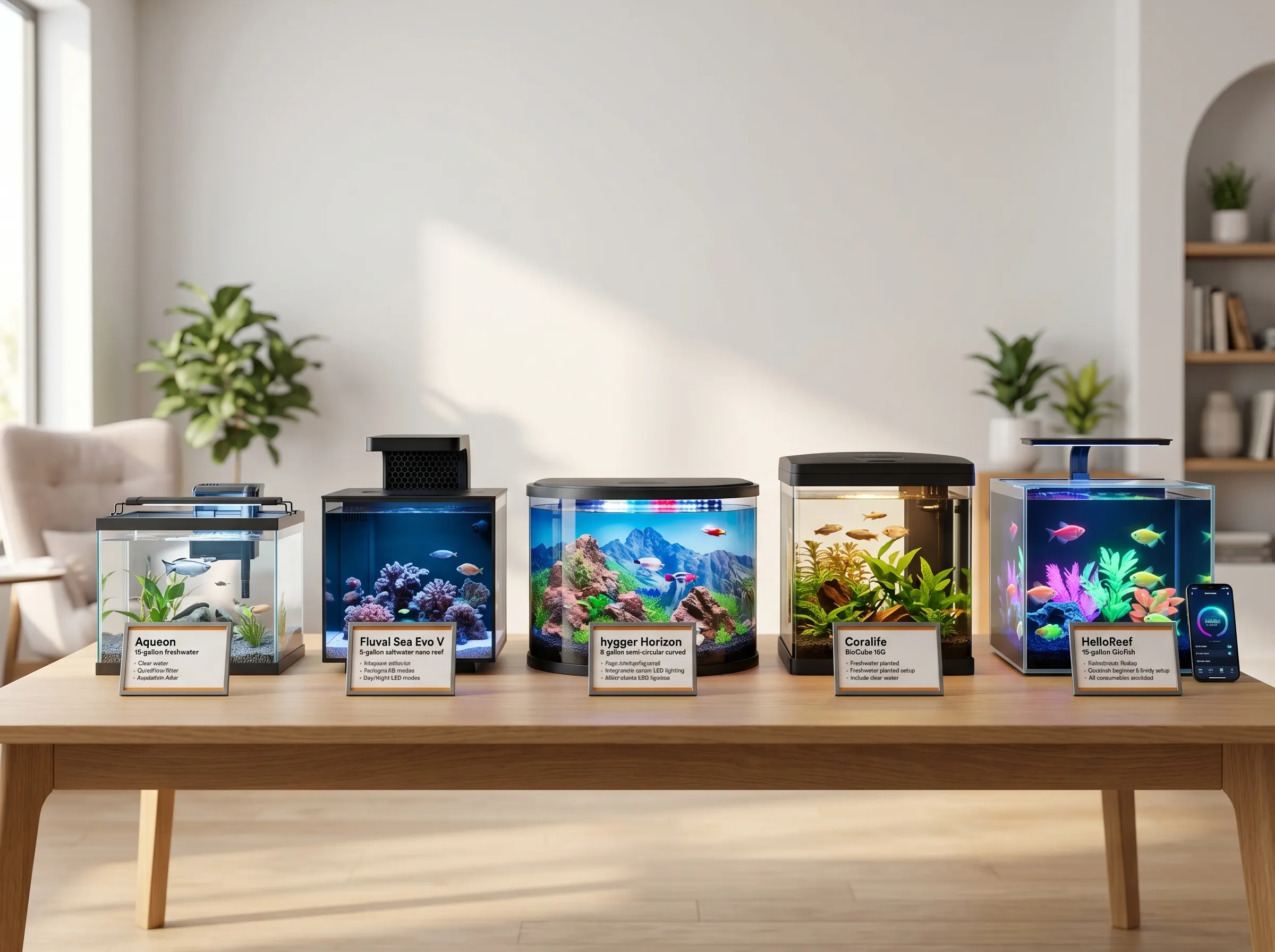 Featured
 Compare aquarium starter kits by tank size, filtration, lighting, included equipment, and the cycling work still required before fish or invertebrates arrive.
Read Article →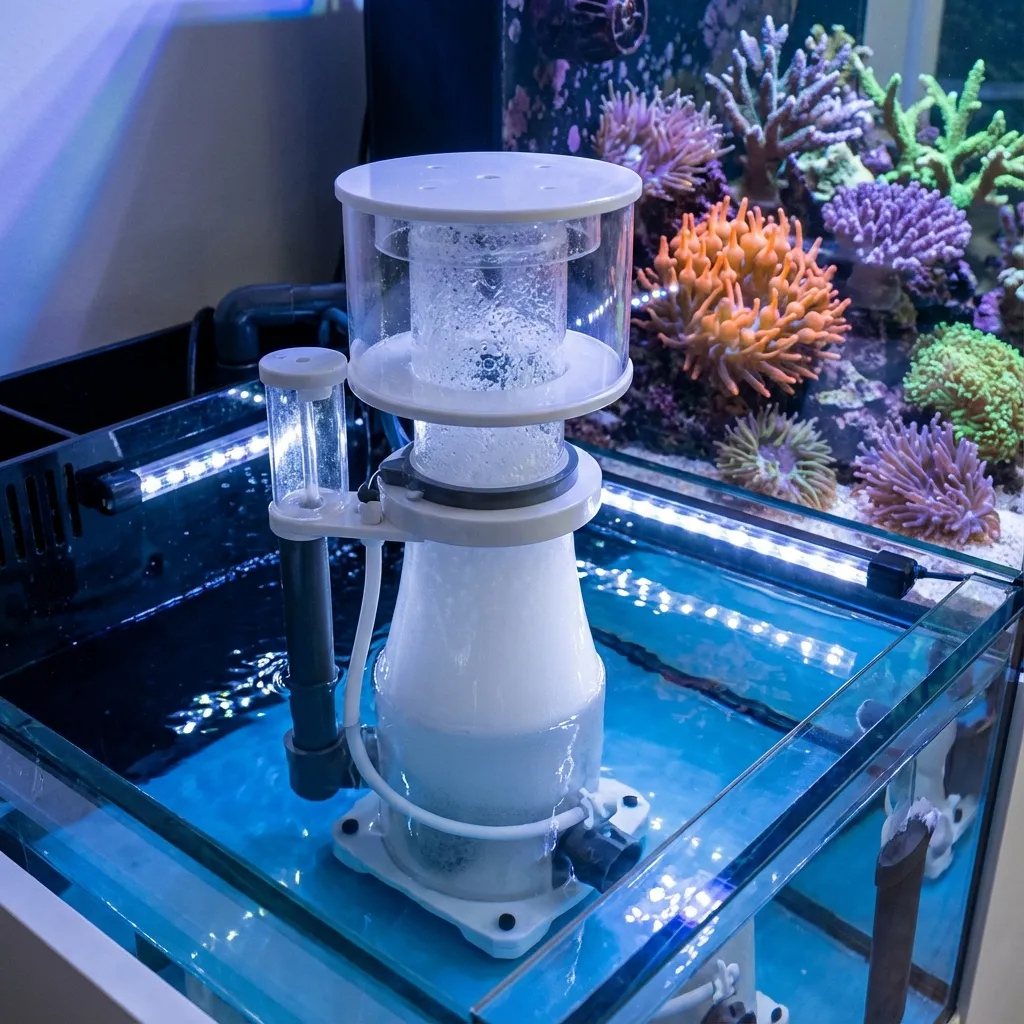 Featured
 Compare top protein skimmers for nano and large reef tanks, with practical reviews, sizing guidance, and honest pros and cons.
Read Article →Every published guide is organized by the decision you are trying to make, from first setup to troubleshooting and product selection.
2 guides
Use a practical starting point before choosing equipment or changing a setup.
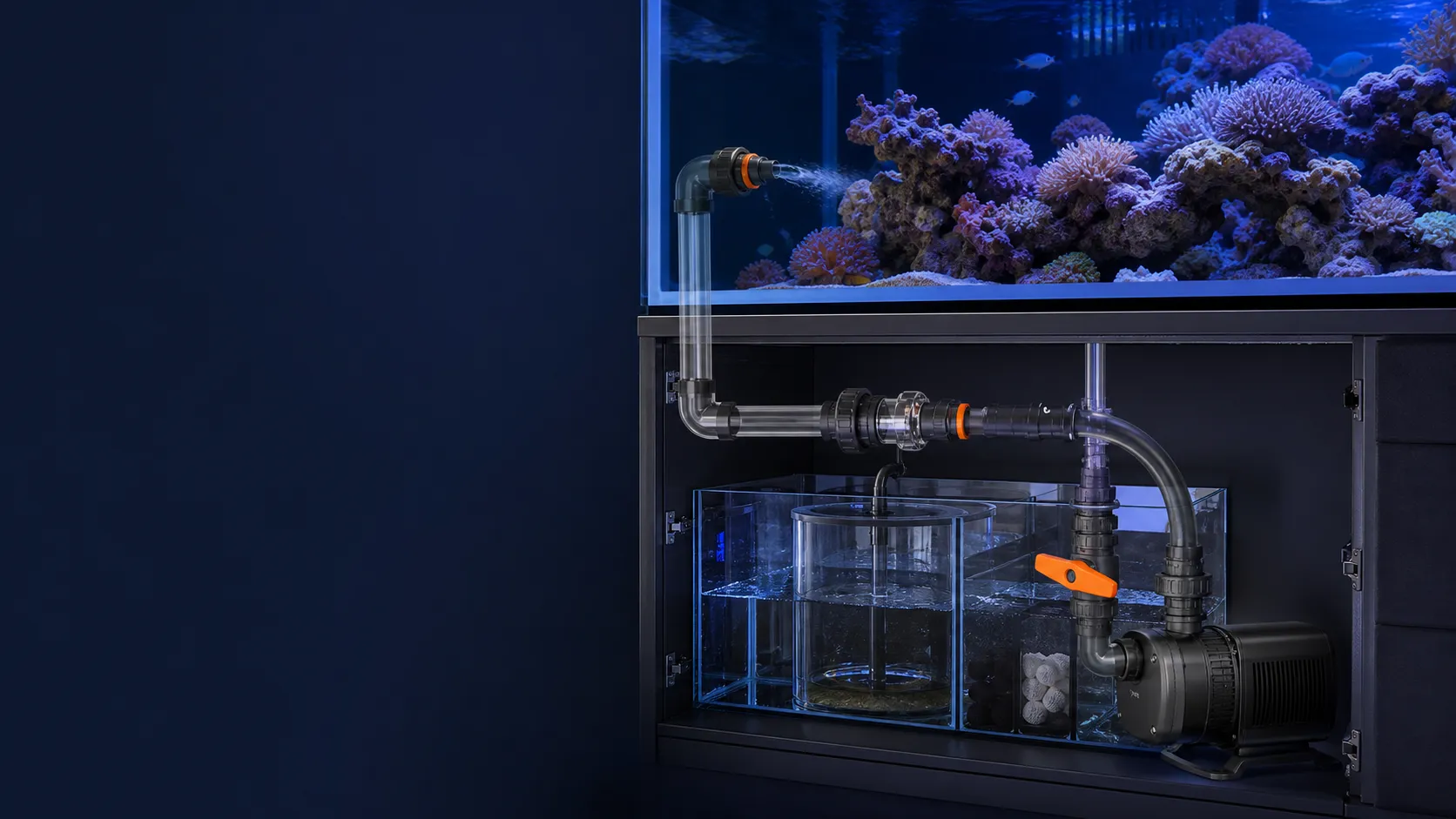
Find the flow and head your reef return pump needs, measure the full plumbing route, and choose a pump that can deliver the target in your aquarium.
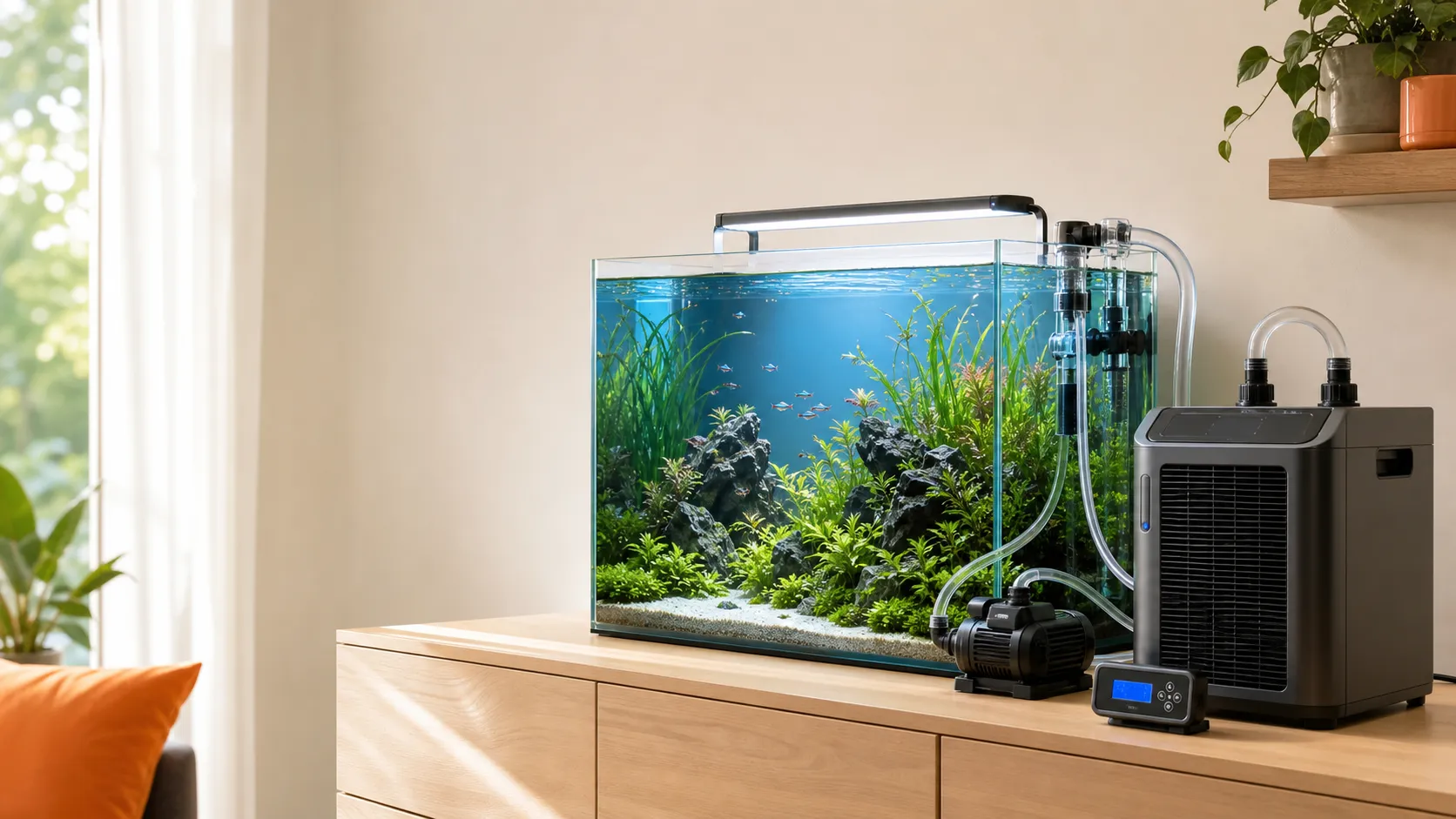
Estimate the cooling capacity your aquarium needs, separate initial cooling from ongoing heat, and compare chiller ratings under the right conditions.
10 guides
Work from the symptom to the safest next check, repair, or replacement decision.
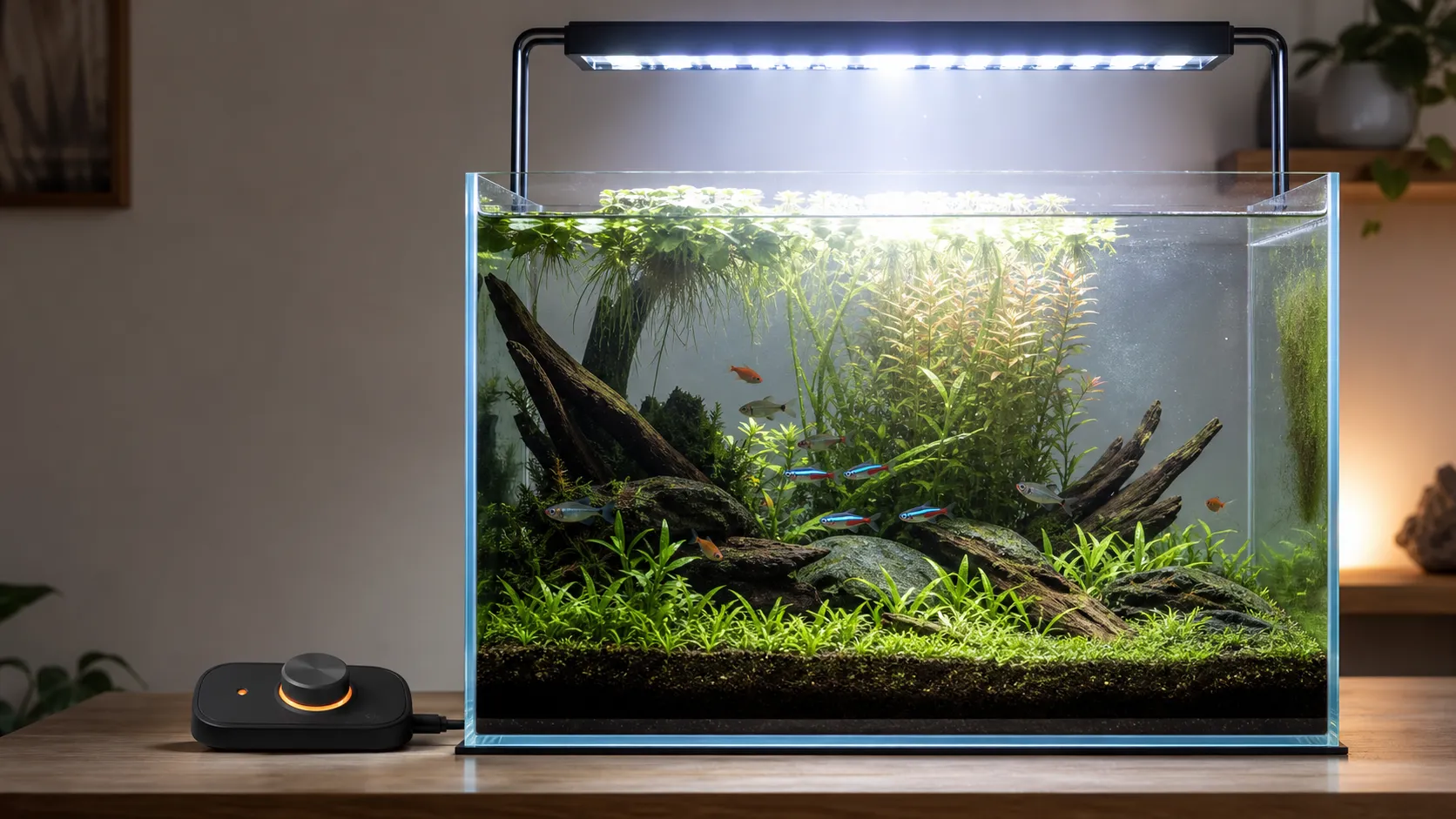
Is your aquarium light too strong? Learn the signs in fish, plants, and algae, then fix brightness and light duration with dimming, timers, shade, or a better-matched fixture.
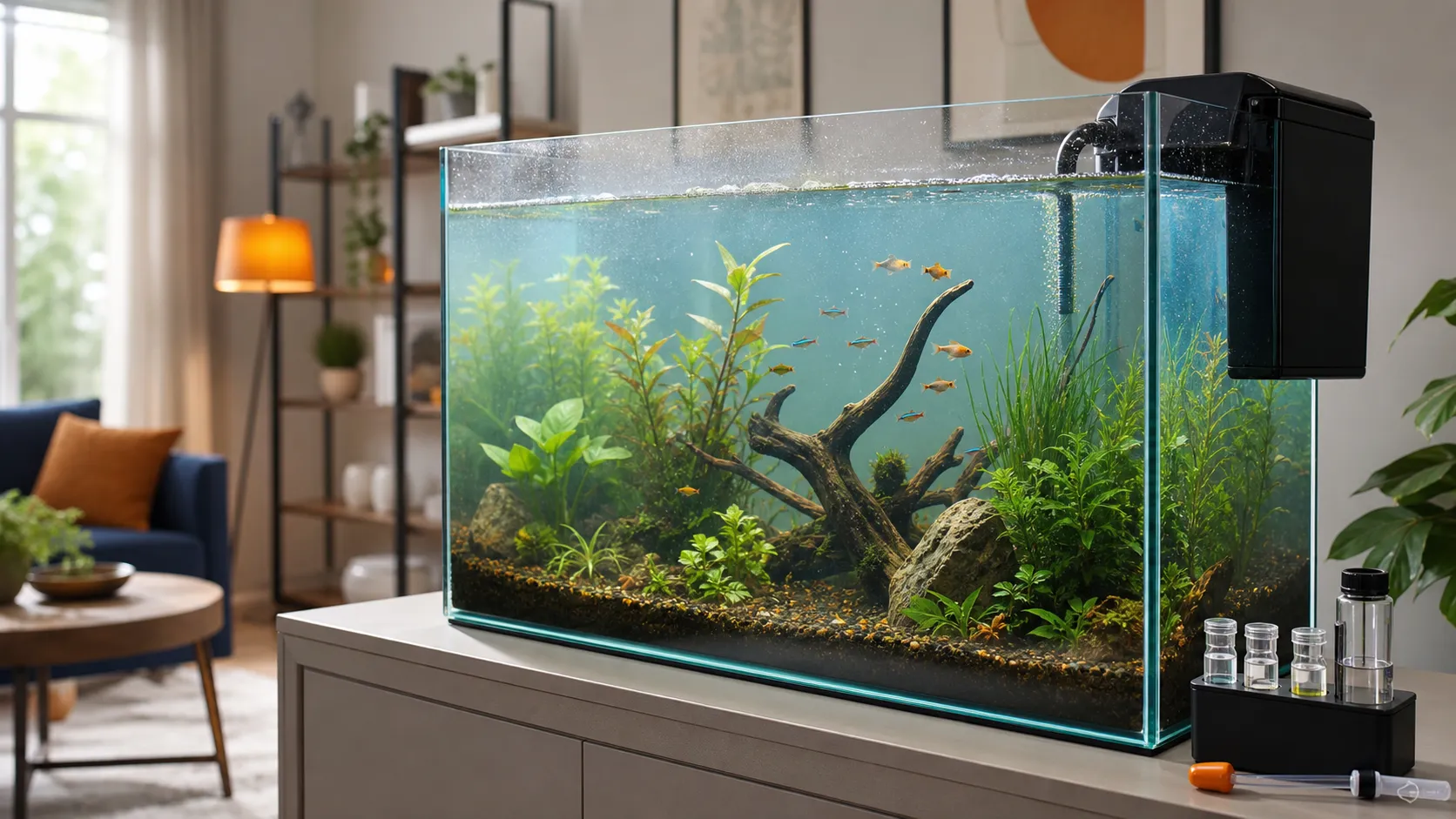
Does your aquarium water smell fishy, earthy, or like rotten eggs? Diagnose the odor, test the water, protect your fish, and fix the source safely.
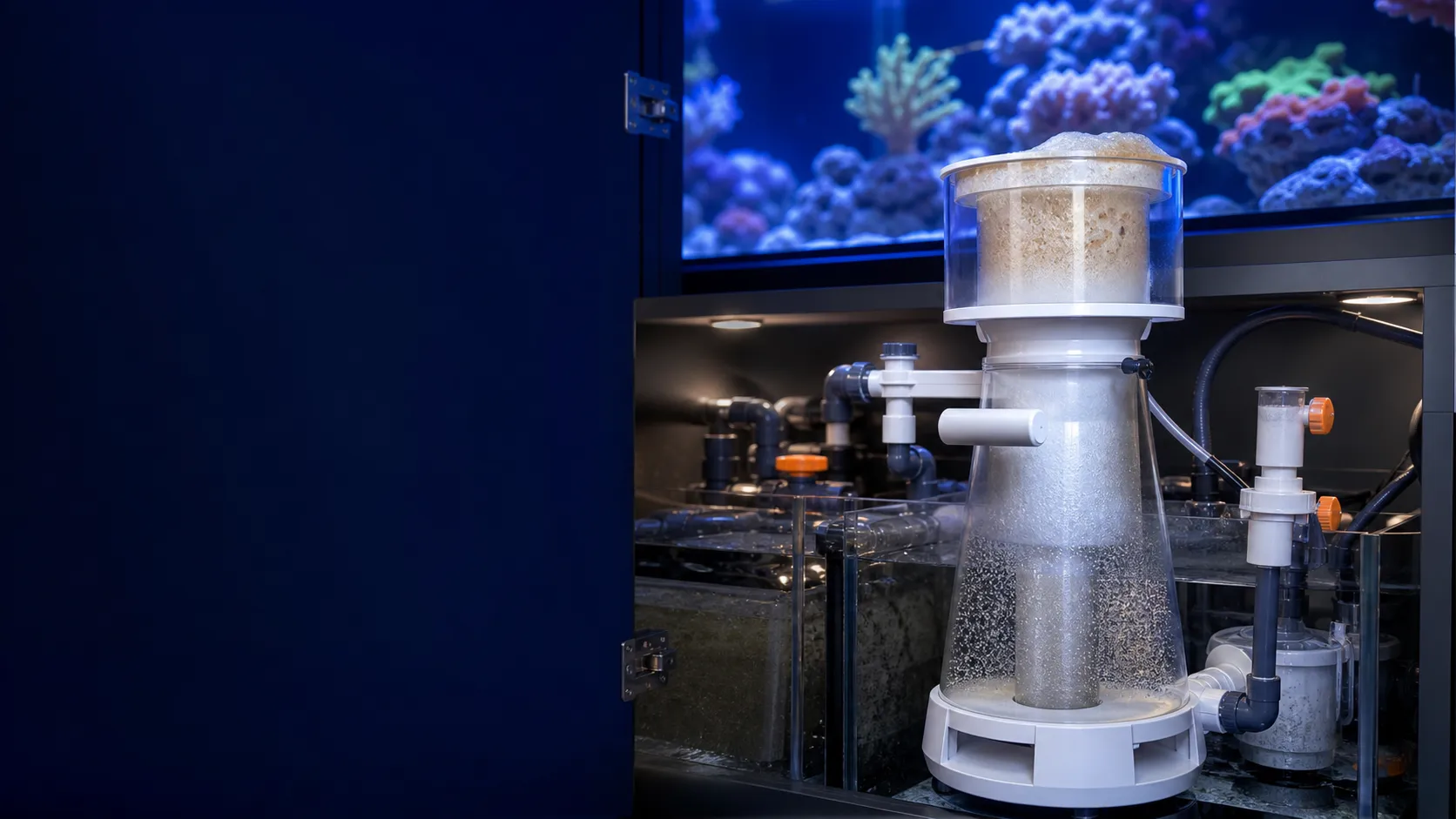
Check sump depth, break-in, air intake, outlet restrictions and recent additives to stop watery foam from filling your protein skimmer cup.
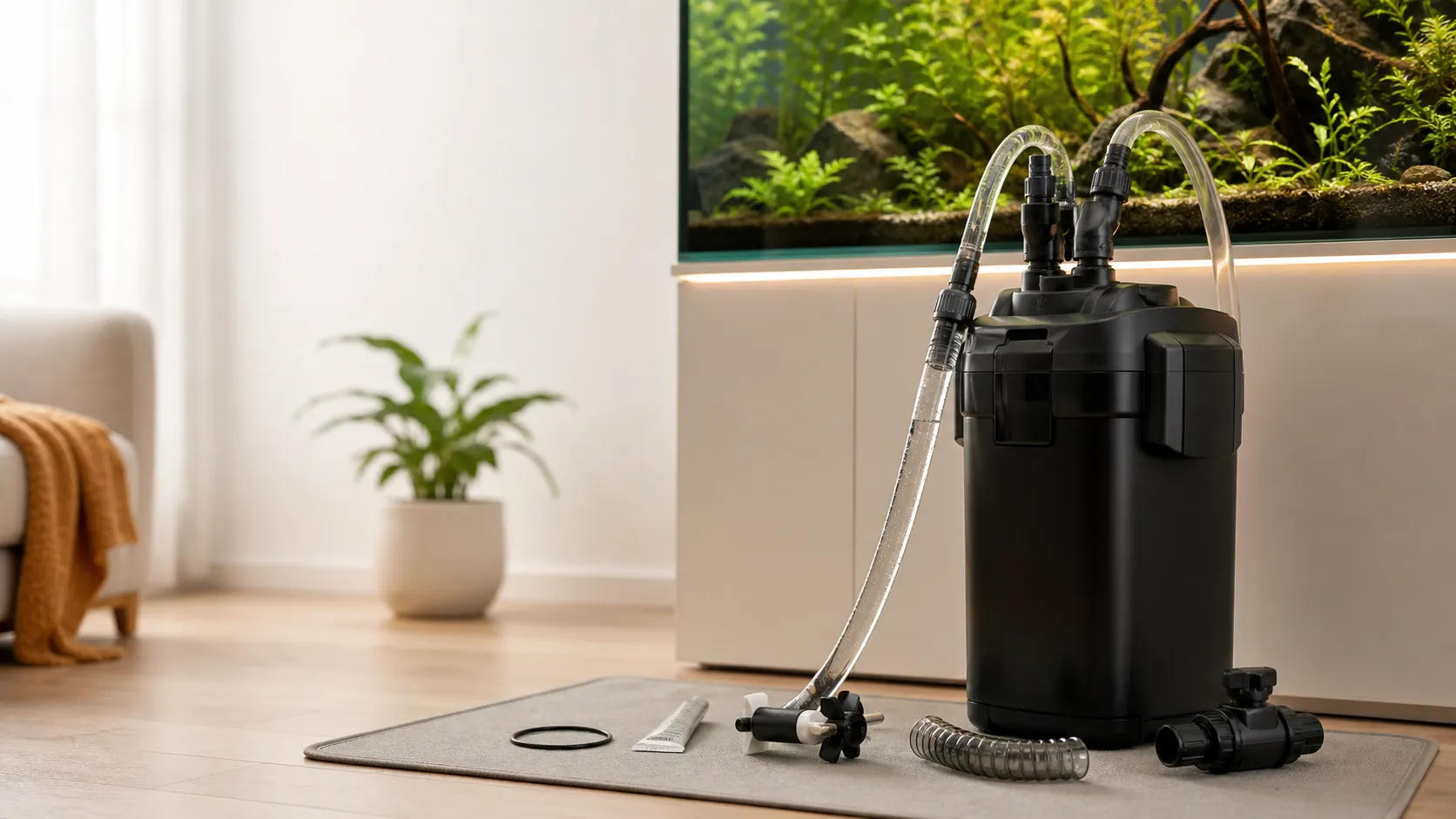
Canister filter won't prime? Diagnose airlocks, intake hoses, O-rings, quick-disconnects, impellers, and clogged media with a safe restart checklist.
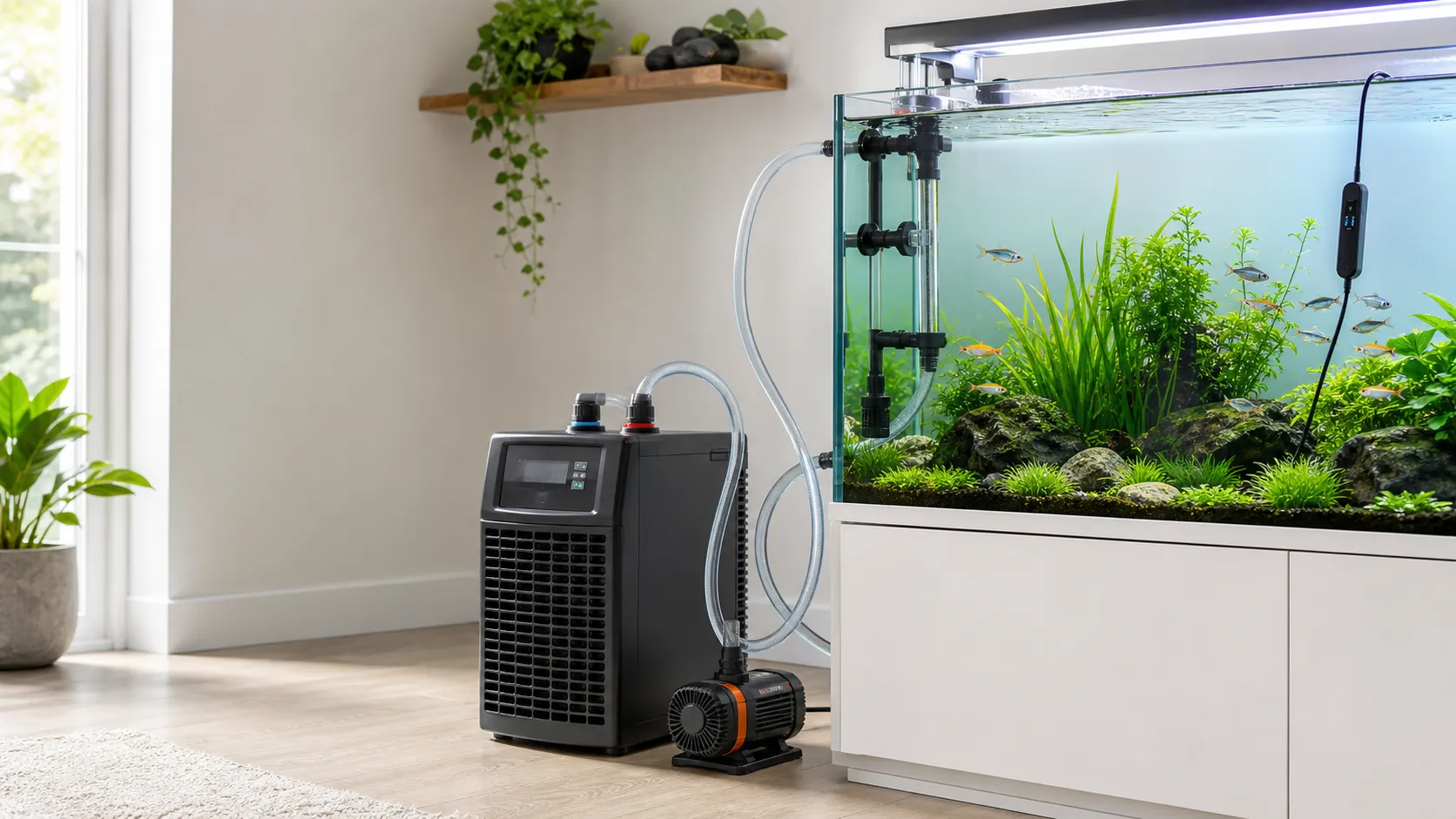
Find why your aquarium chiller cannot reach its target. Check the temperature reading, ventilation, measured water flow and heat load before arranging service.
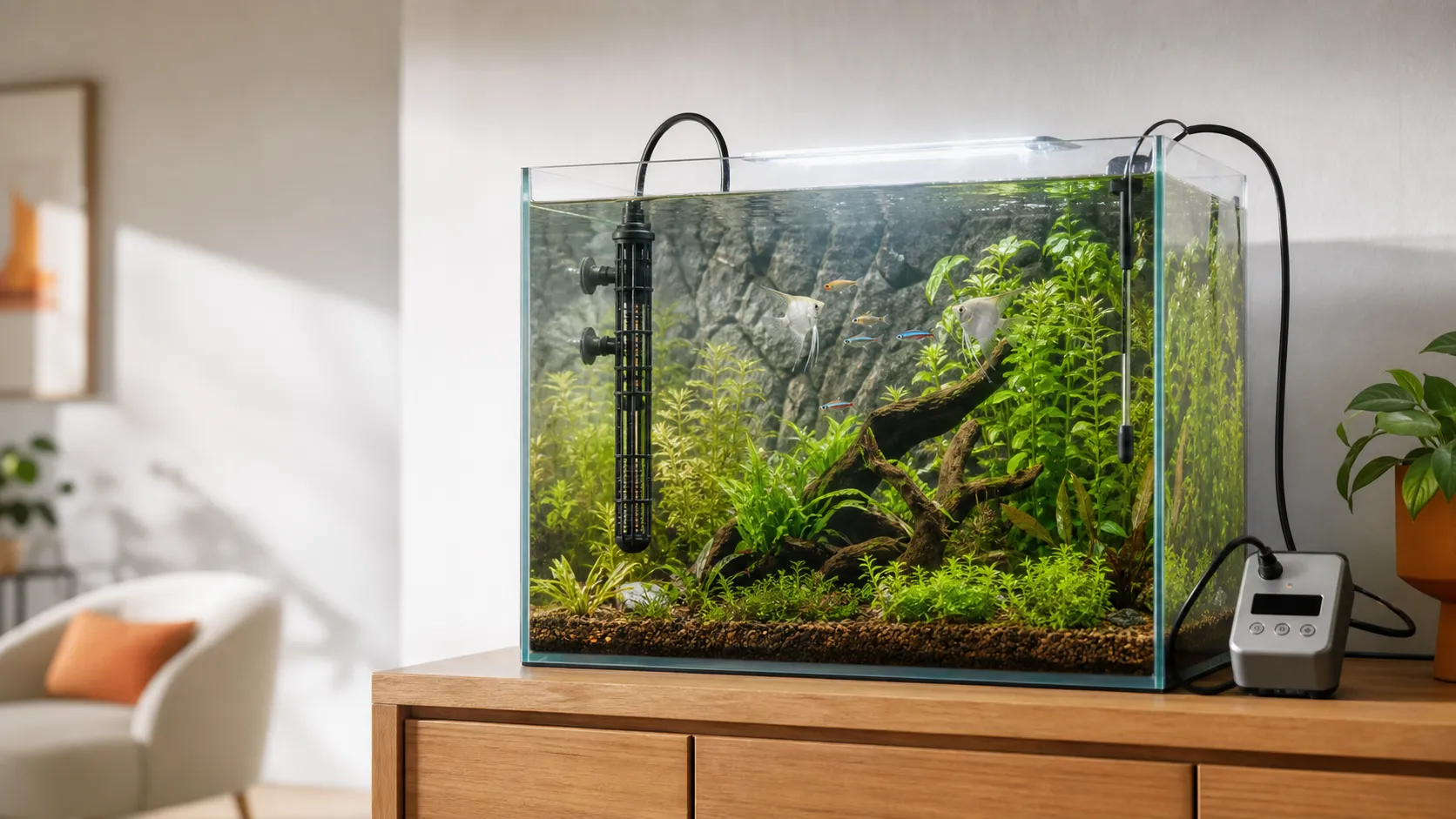
Aquarium heater not heating or overheating? Use this safe checklist to test temperature, placement, power, and thermostat faults—then choose the right fix.
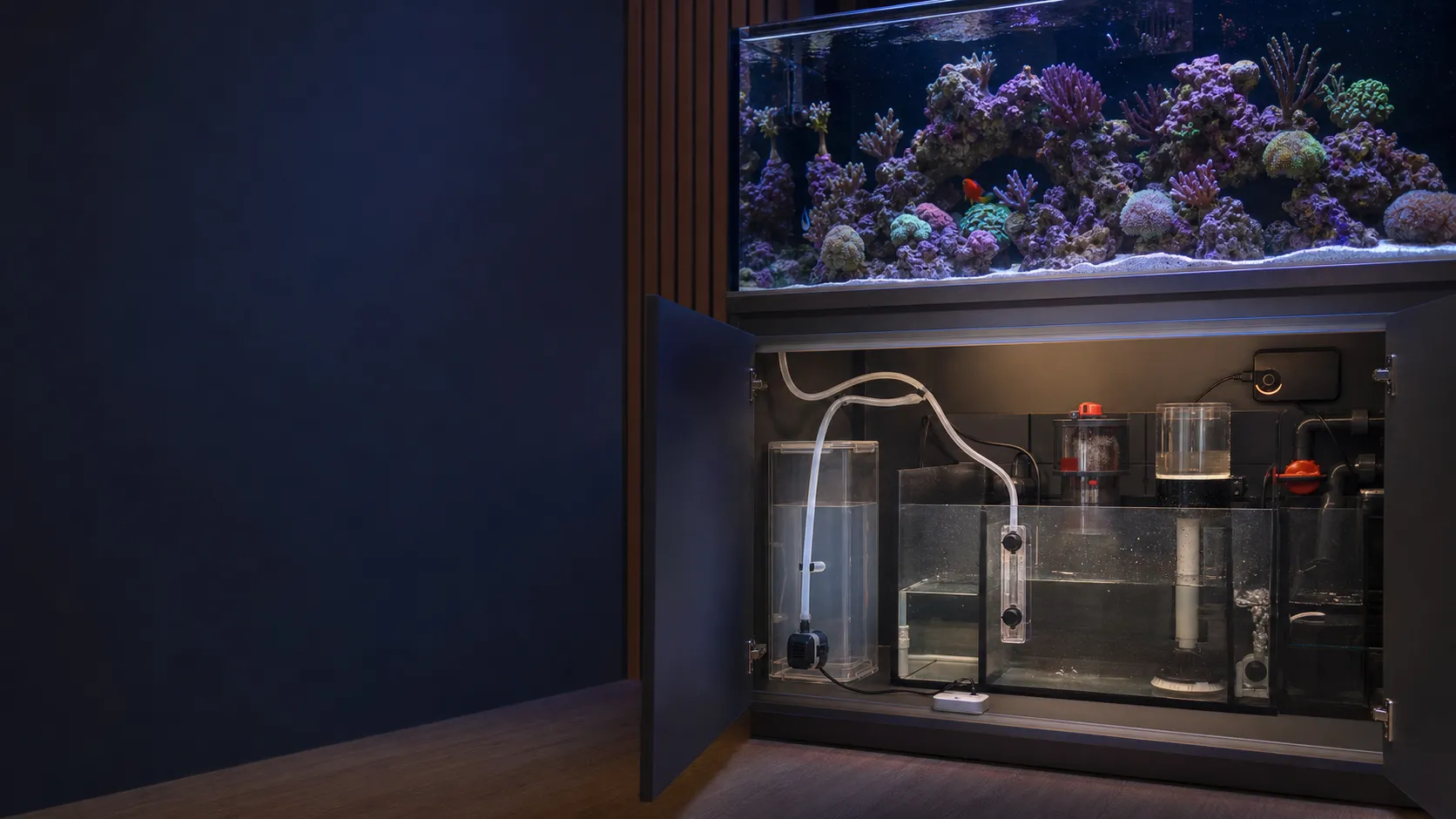
Is your aquarium auto top-off filling past the safe level? Separate sensor, siphon, pump, hose, reservoir, and controller faults with a safe troubleshooting sequence.
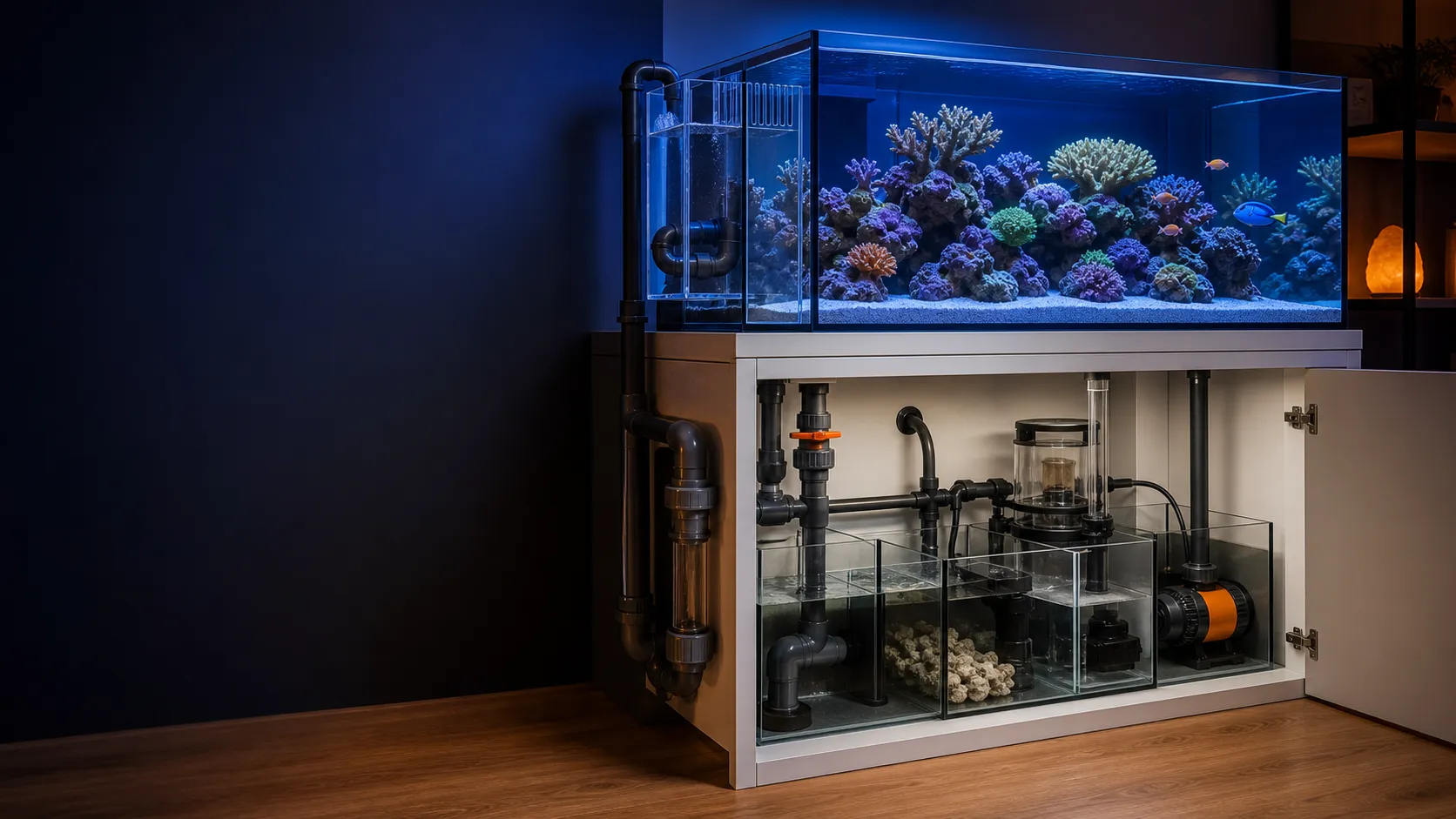
Find the cause of reef overflow noise, tune the correct drain, measure return flow, and check power-off and restart behavior without restricting the emergency.
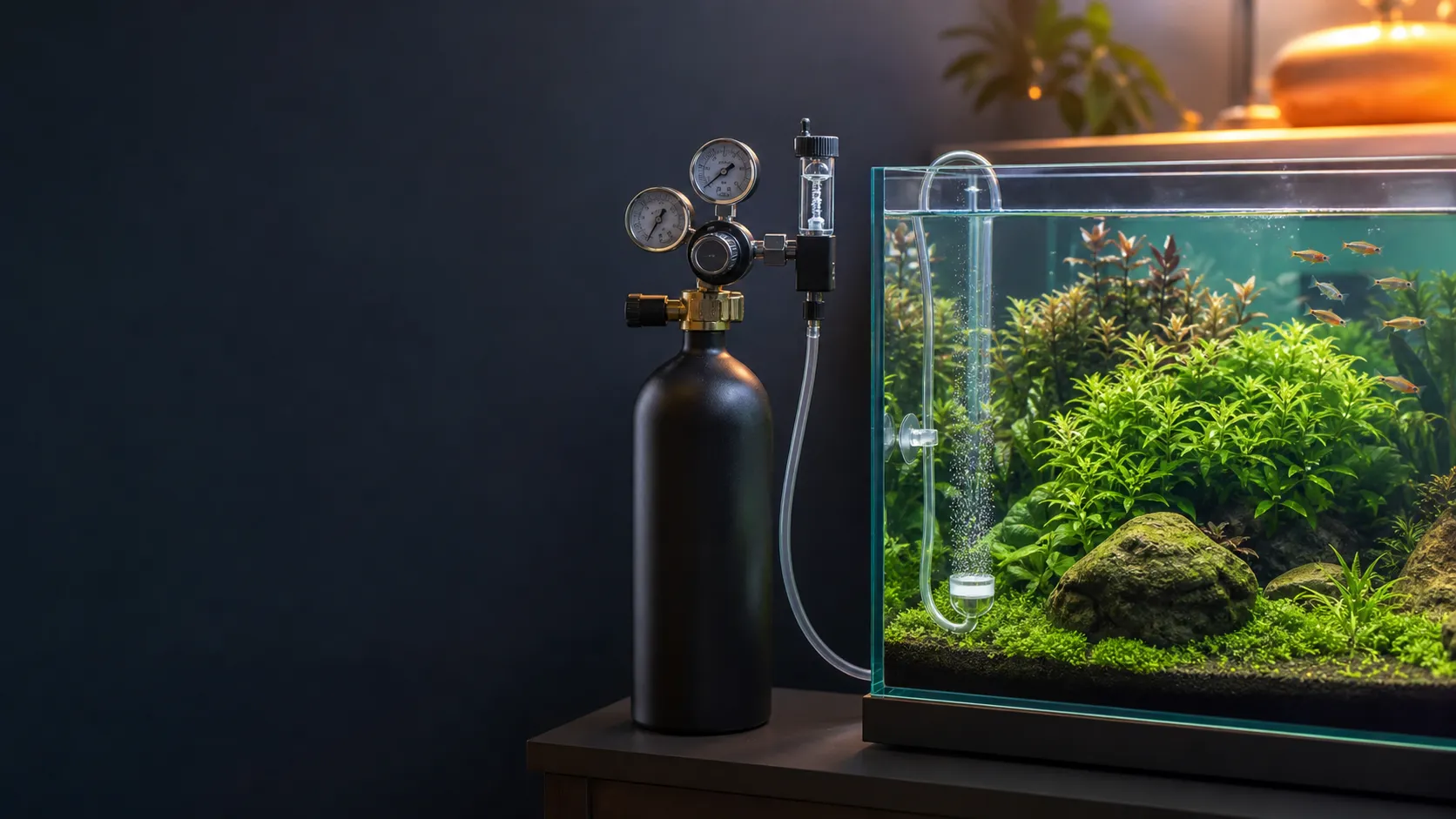
Find where your aquarium CO₂ supply stops. Check the bubble counter, power, regulator, tubing and diffuser, with clear limits for pressure changes and cleaning.
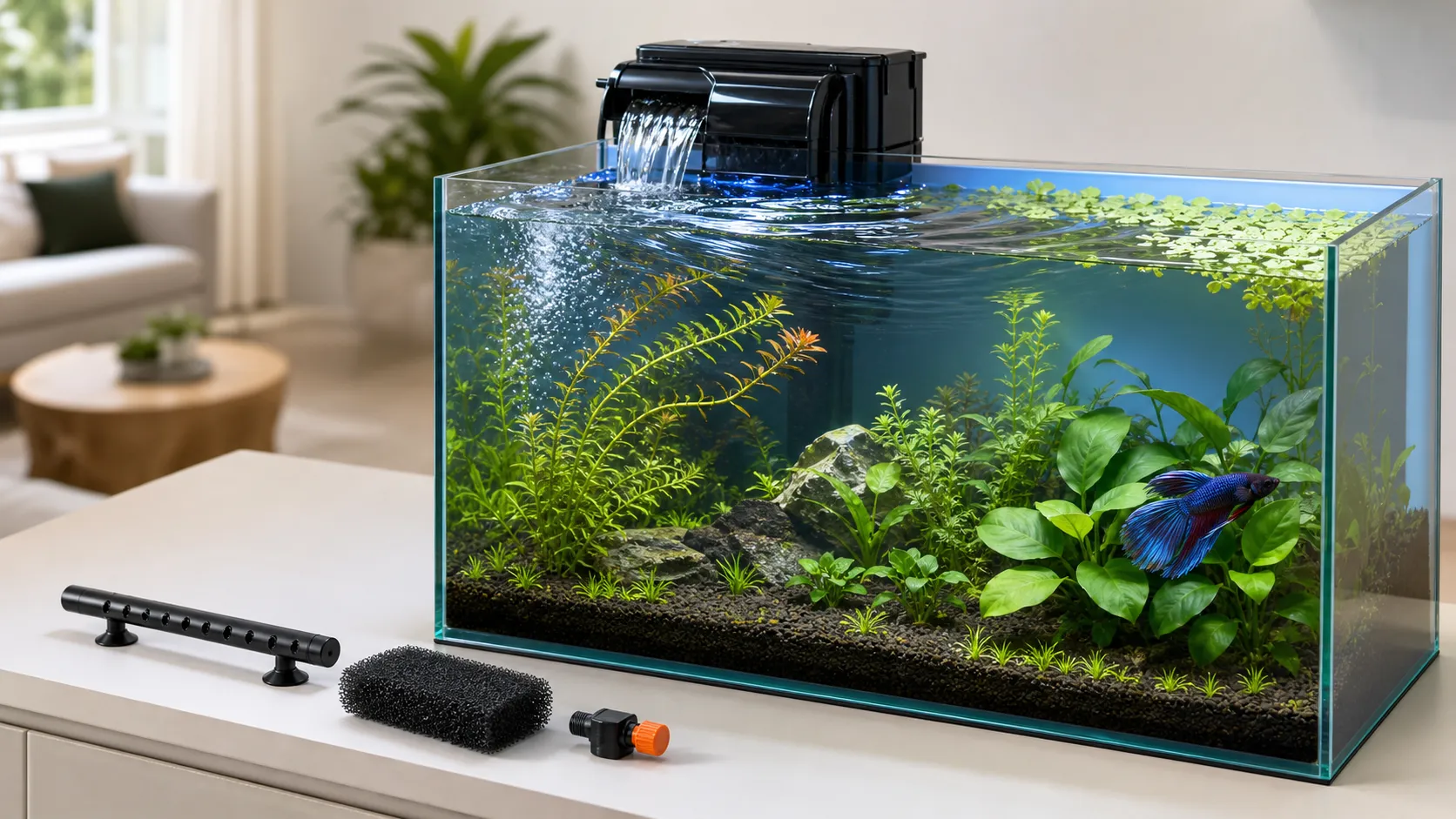
Is your aquarium filter too strong? Learn the fish and plant symptoms, measure real flow, and choose a safe baffle, spray bar, prefilter, valve, or smaller filter.
10 guides
Build a safer, more comfortable environment with clear placement and care steps.
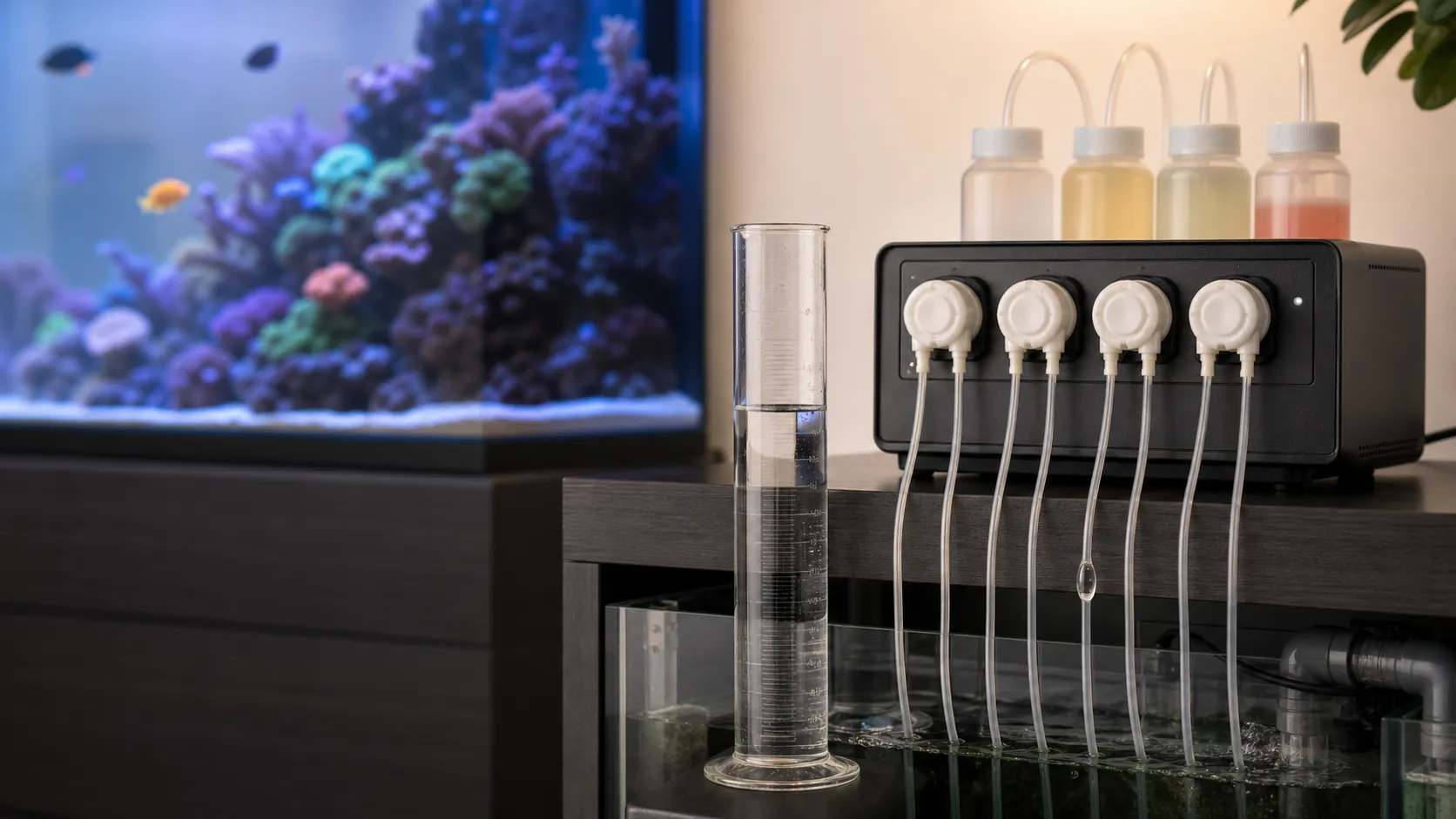
Calibrate your reef dosing pump with the right input for your model, a repeatable measurement log, and checks for air, tubing wear and siphoning.
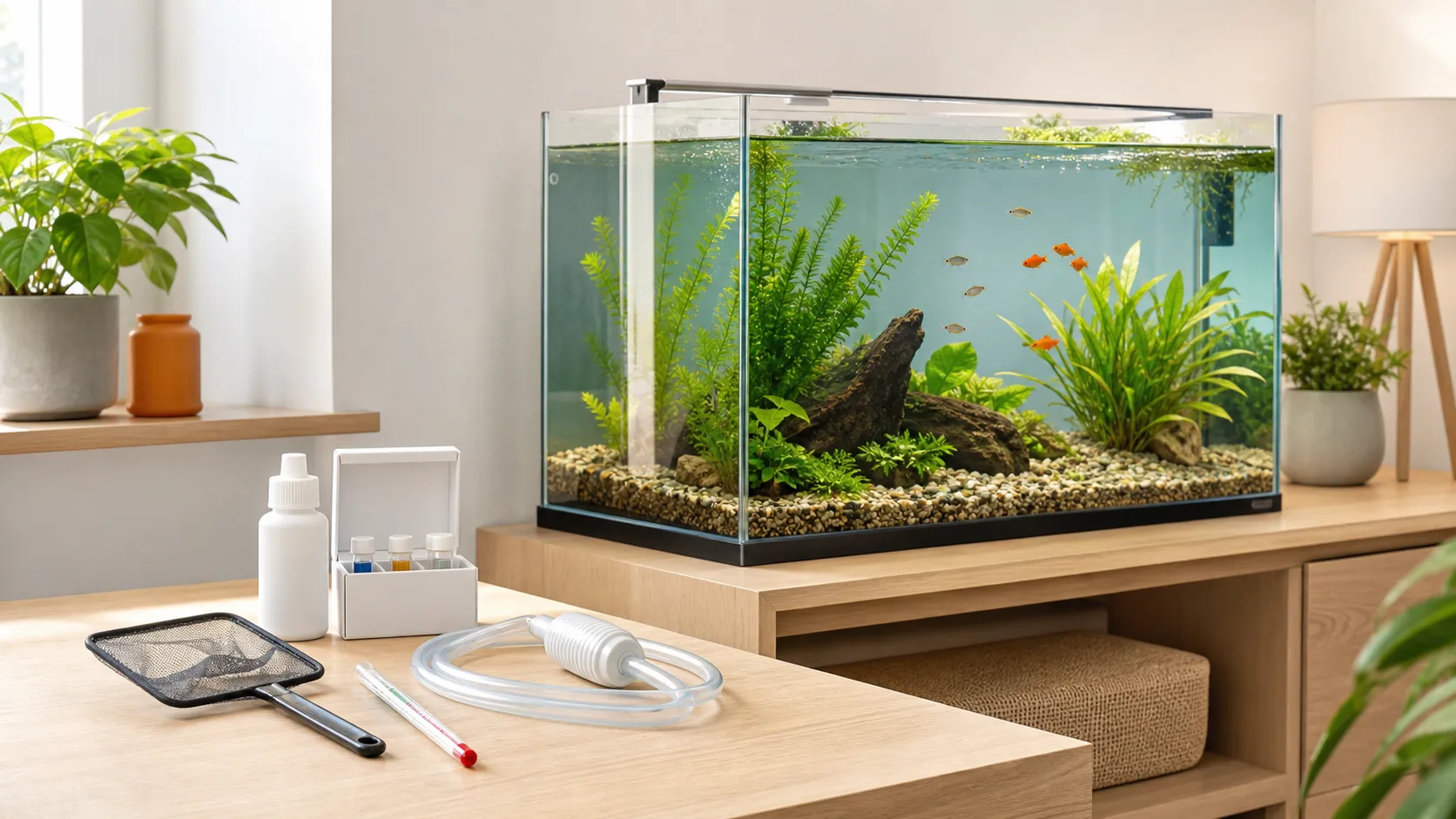
A practical beginner aquarium checklist for freshwater tanks: equipment, water conditioner, testing, cycling, fish selection, and the setup mistakes to avoid.
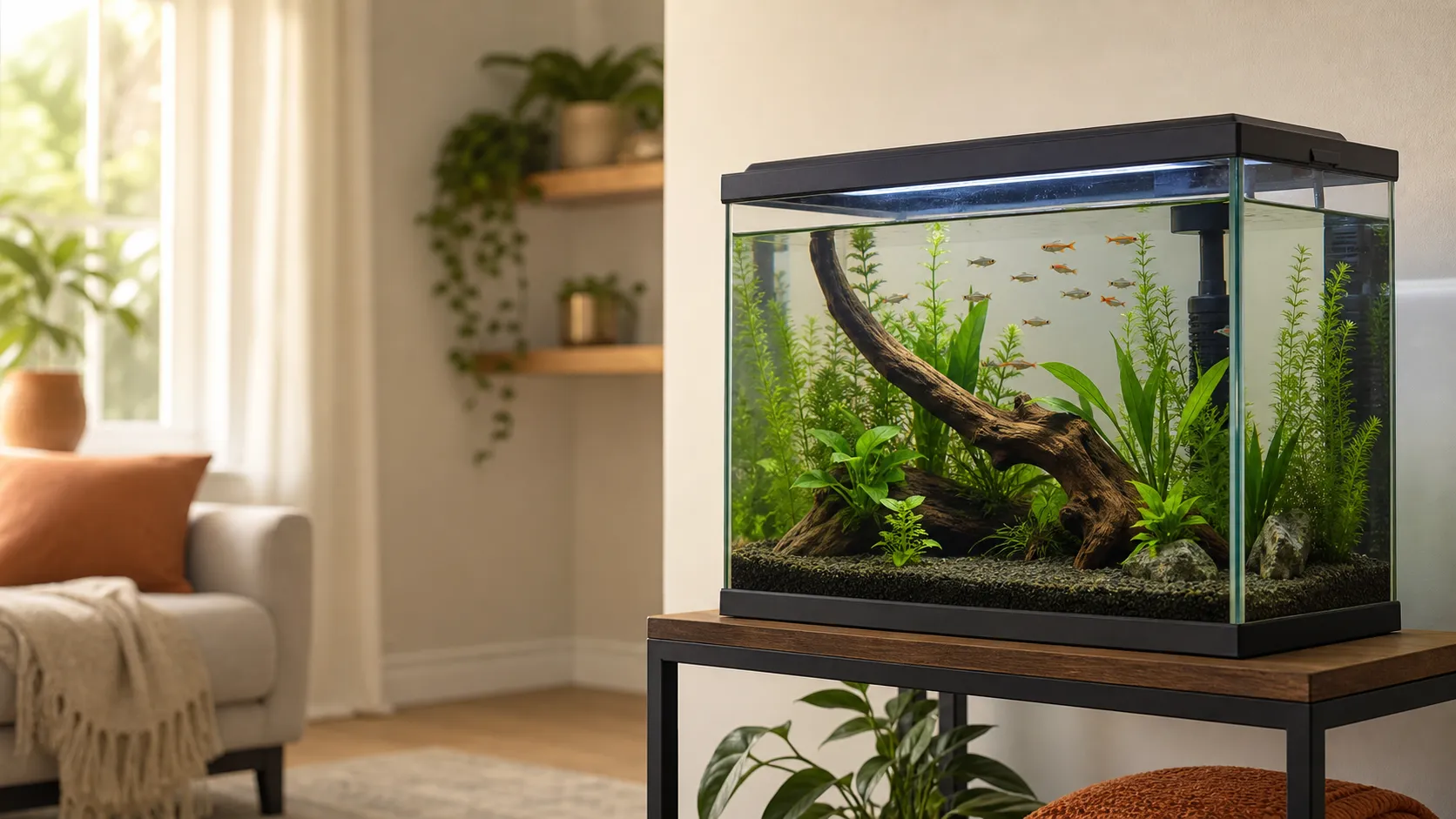
How much does a 20 gallon aquarium setup cost? See realistic US budgets for a kit-first, custom, or planted freshwater aquarium, plus monthly running costs.
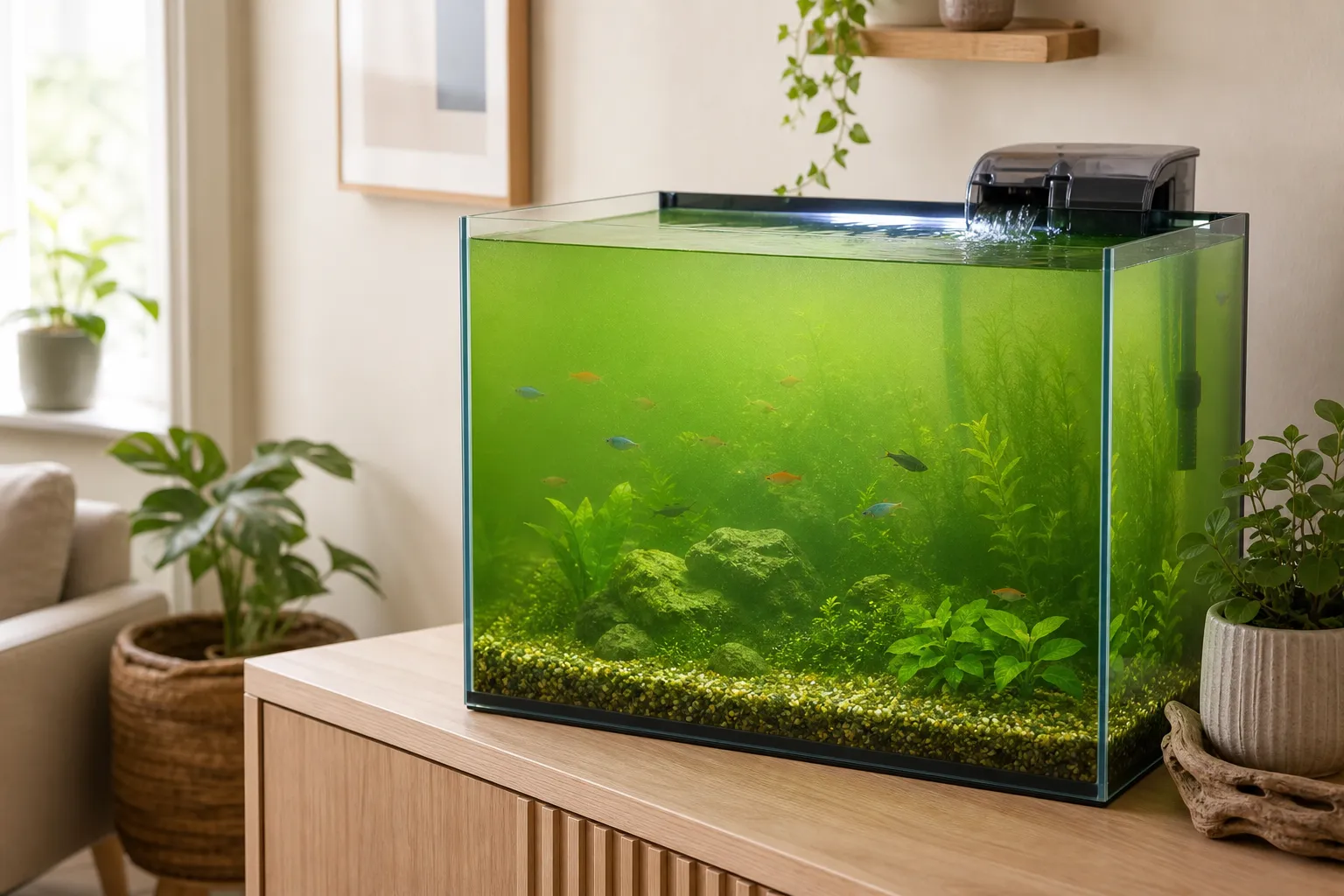
Green aquarium water is usually a suspended algae bloom. Learn how to confirm it, check light and nutrients, clear it safely, and prevent it from returning.
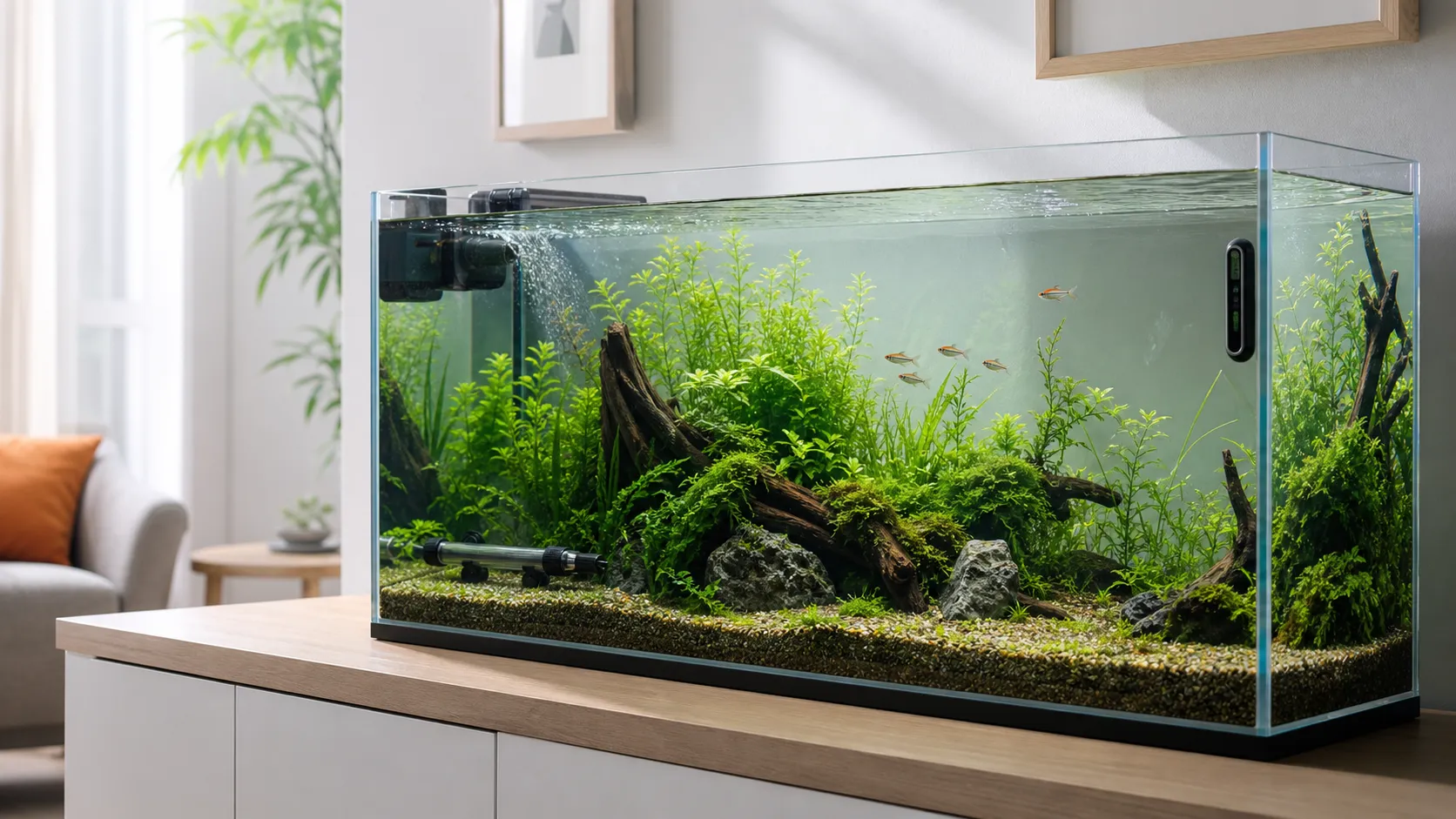
Where should an aquarium heater go? Compare vertical, horizontal, and angled placement, filter flow, tank length, wattage, and one-vs-two-heater setups.
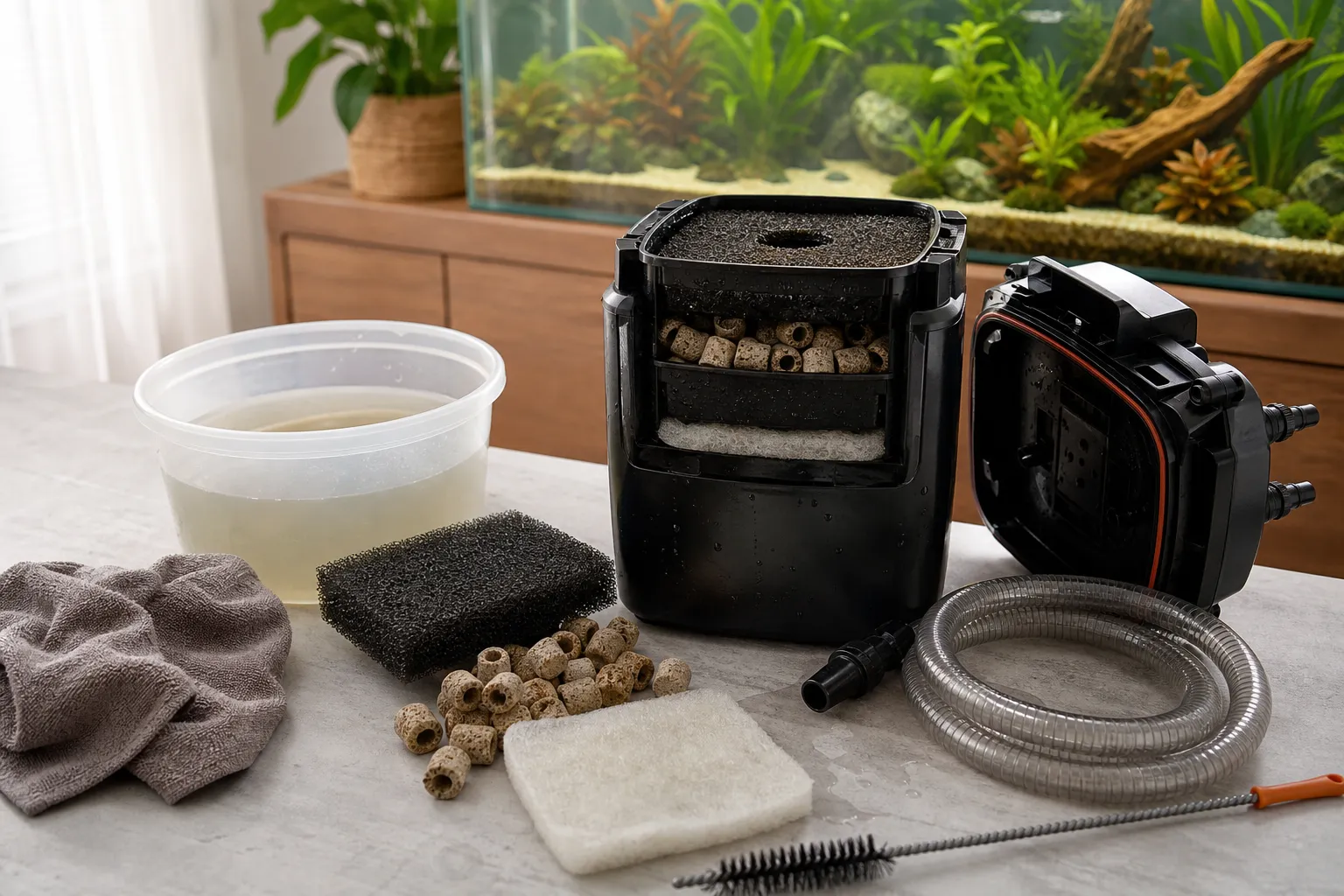
Clean a canister filter without stripping the biofilter: rinse pads, hoses, impeller, and media safely, replace only what is worn, and protect the cycle.
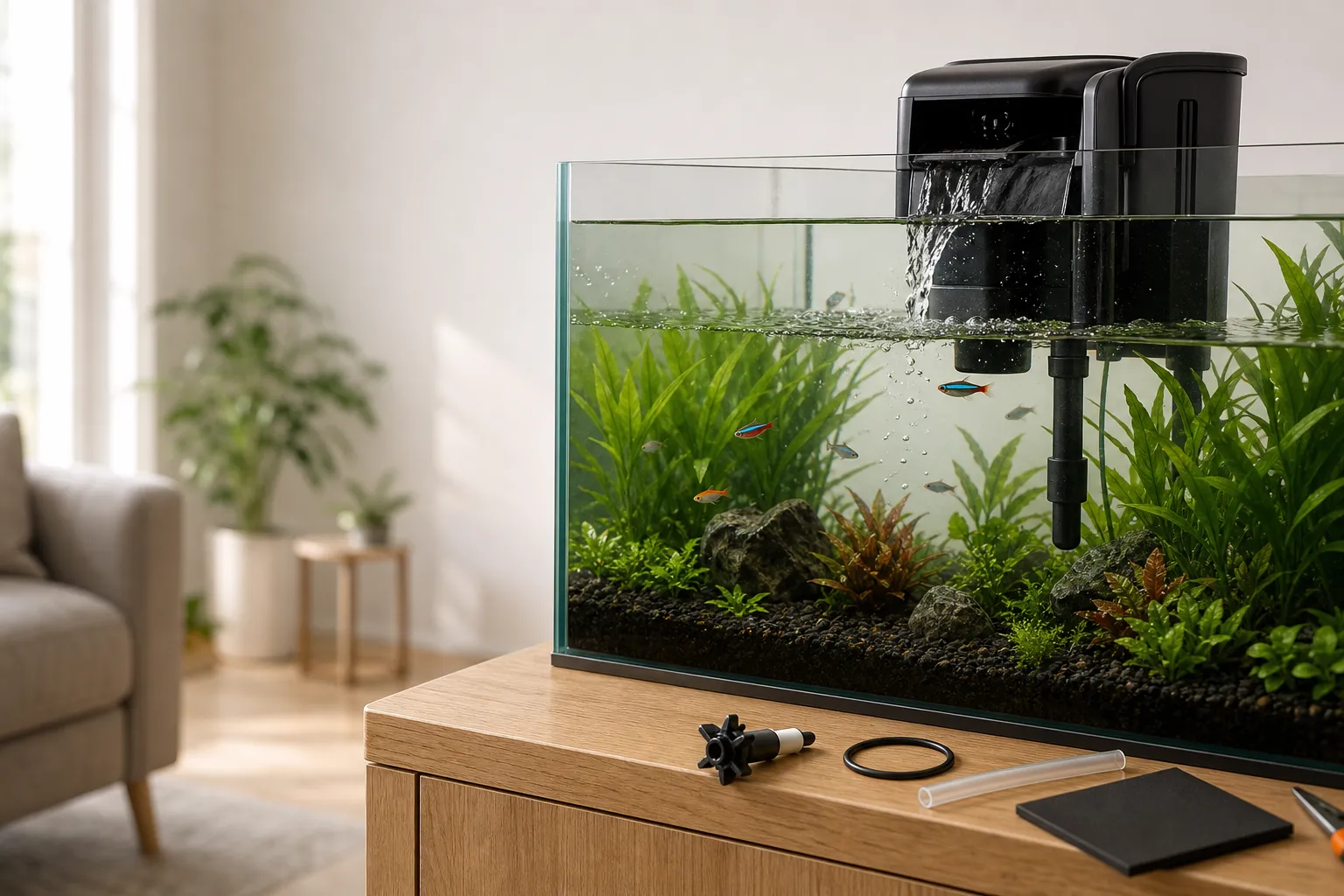
Is your aquarium filter rattling, buzzing, or gurgling? Match the sound to the likely cause, check it safely, and know when a part or a new filter is the sensible fix.
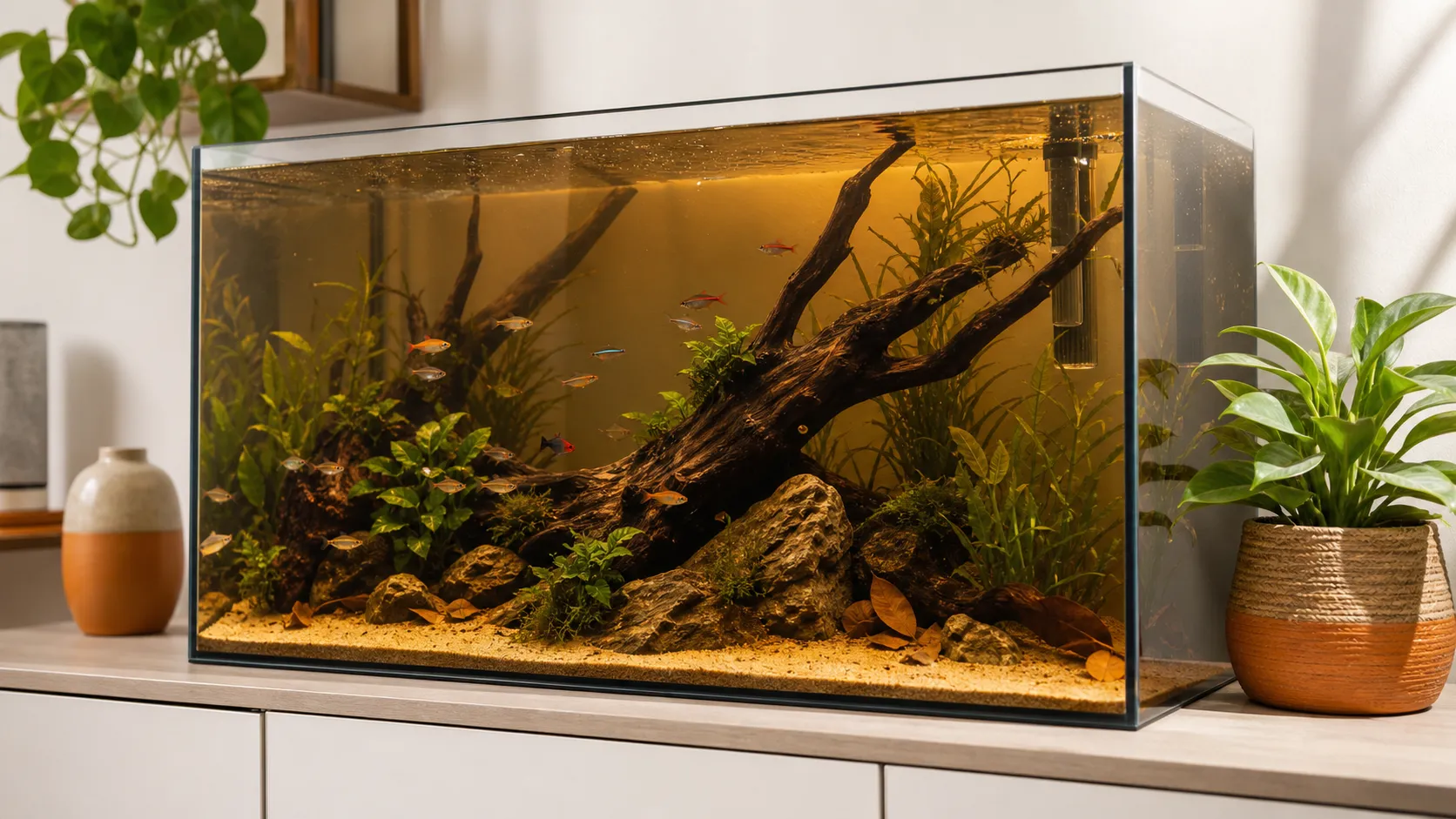
Brown aquarium water can be harmless tannins, suspended dirt, or a sign of decay. Learn how to tell the difference, protect fish, and fix the actual cause.
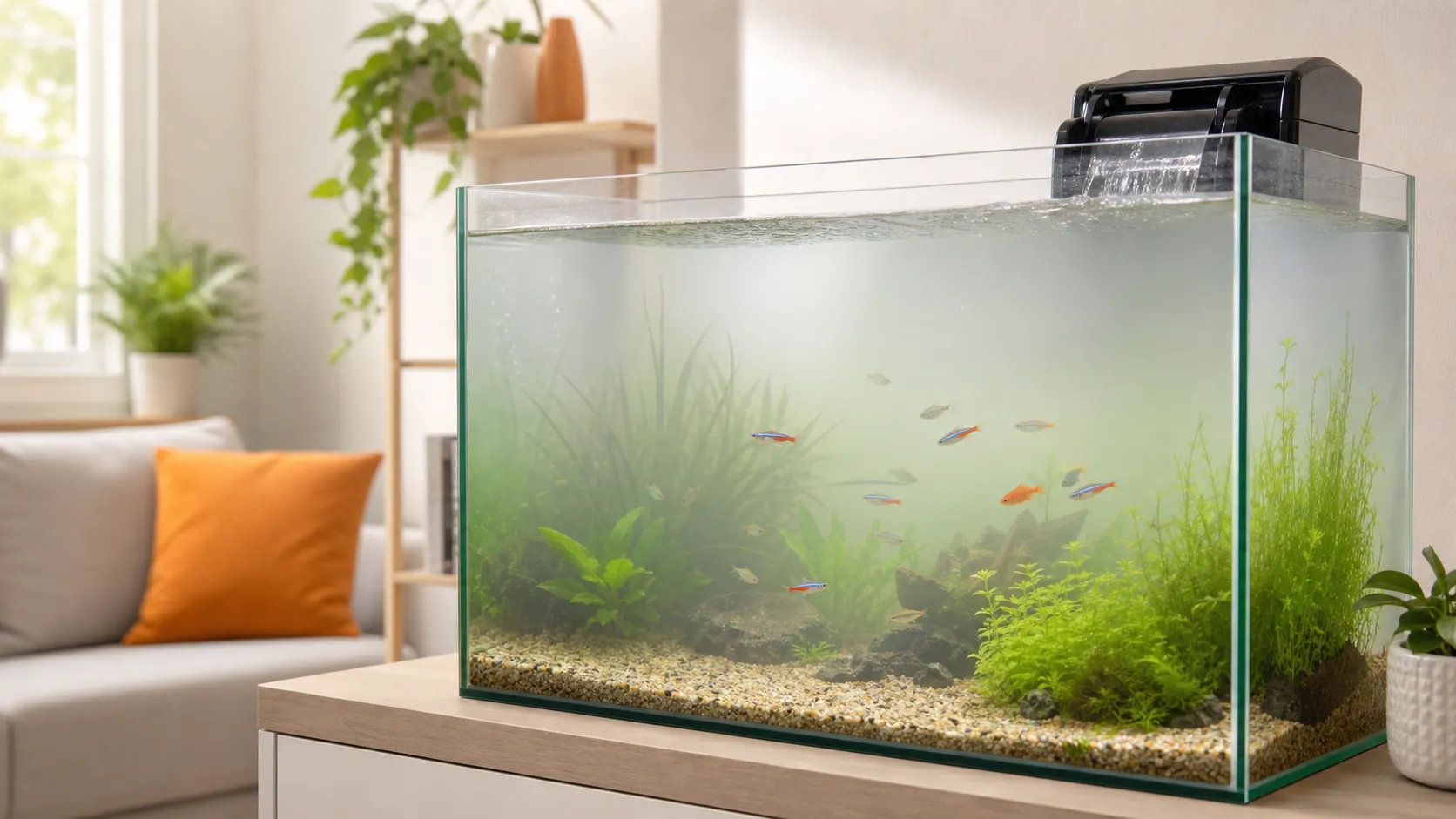
Learn why aquarium water turns white, gray, yellow, brown, or green. Diagnose the cause, protect your fish, and clear the tank safely.
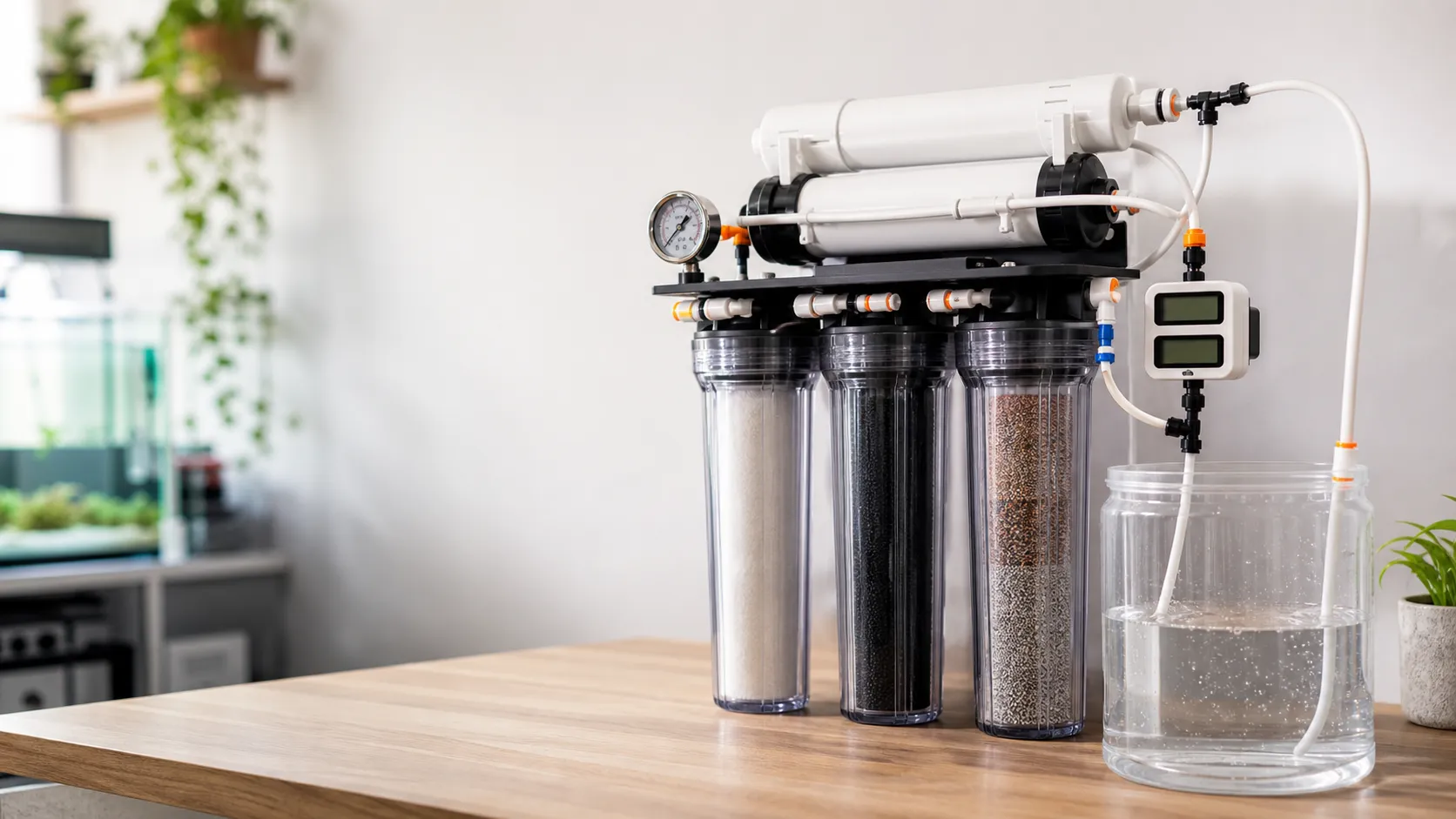
Find the cause of high RO/DI TDS with a three-point measurement sheet, startup checks, and a clear way to separate membrane faults from DI resin exhaustion.
1 guides
Compare competing products by fit, constraints, trade-offs, and real-world use.
6 guides
Shortlist products with the specifications and questions that matter for your situation.
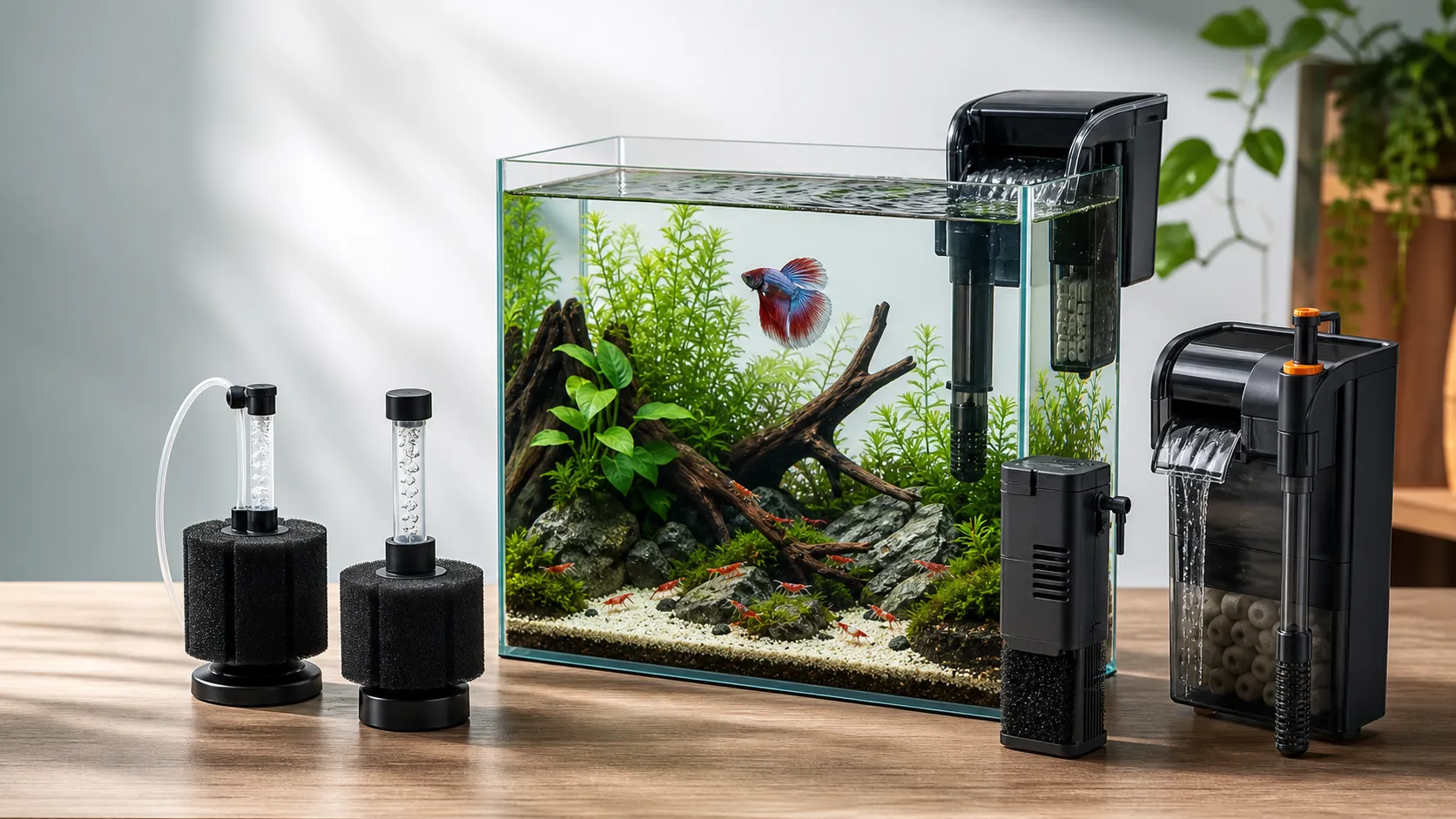
Compare gentle aquarium filters for bettas, shrimp, fry, and nano tanks. See which sponge, internal, and adjustable HOB filters fit your livestock and tank size.
Featured Fluval Evo 13.5 review: real specifications, lighting limits, missing equipment, stocking advice, maintenance load, and sensible upgrades.
Featured Compare aquarium starter kits by tank size, filtration, lighting, included equipment, and the cycling work still required before fish or invertebrates arrive.
Featured Compare top protein skimmers for nano and large reef tanks, with practical reviews, sizing guidance, and honest pros and cons.
 Featured
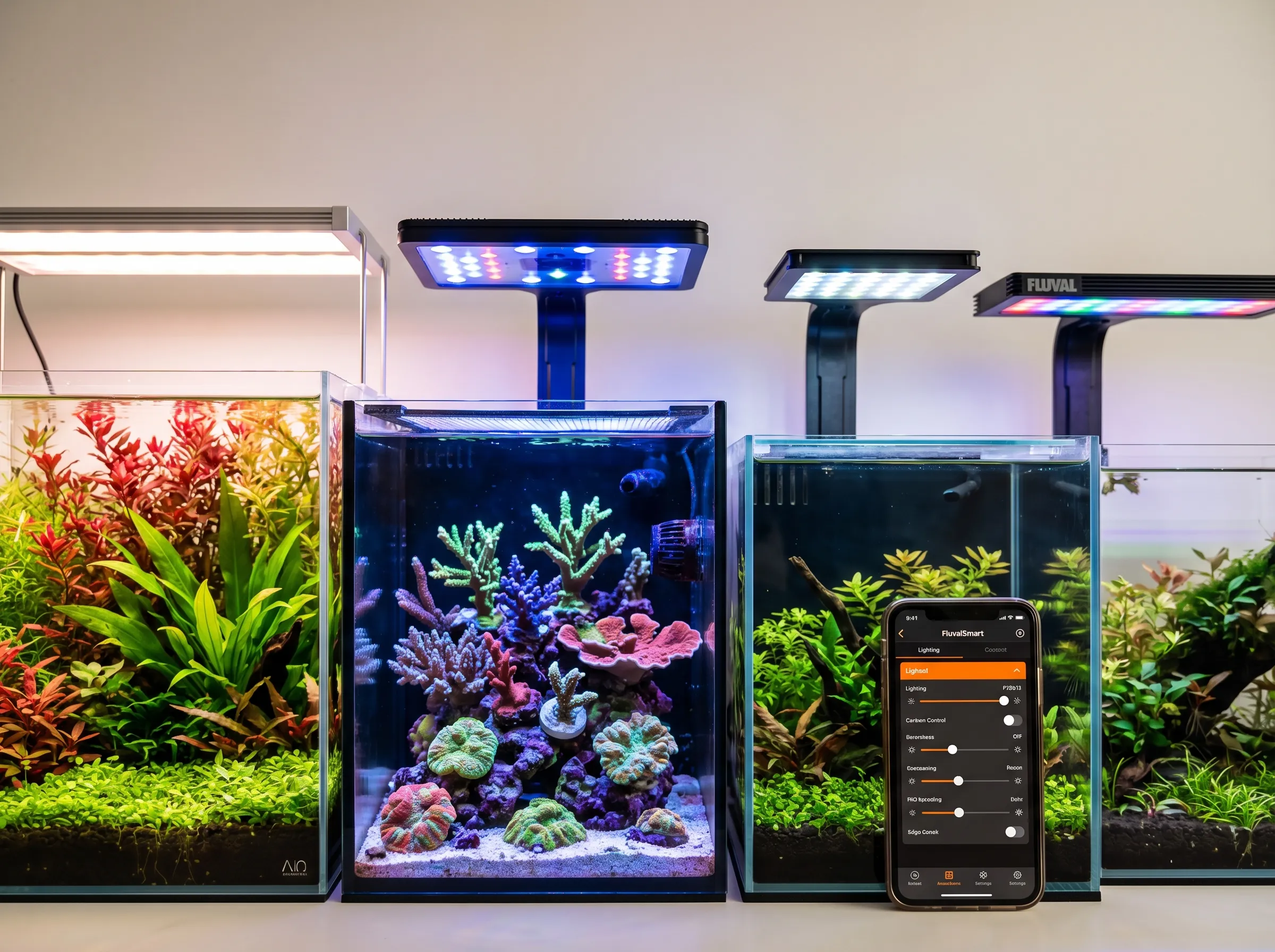
 Compare the top 5 LED aquarium lights for 2026—planted tanks, reef tanks, and nano setups. Full spectrum options with PAR output, coverage, and app control compared.
 Featured
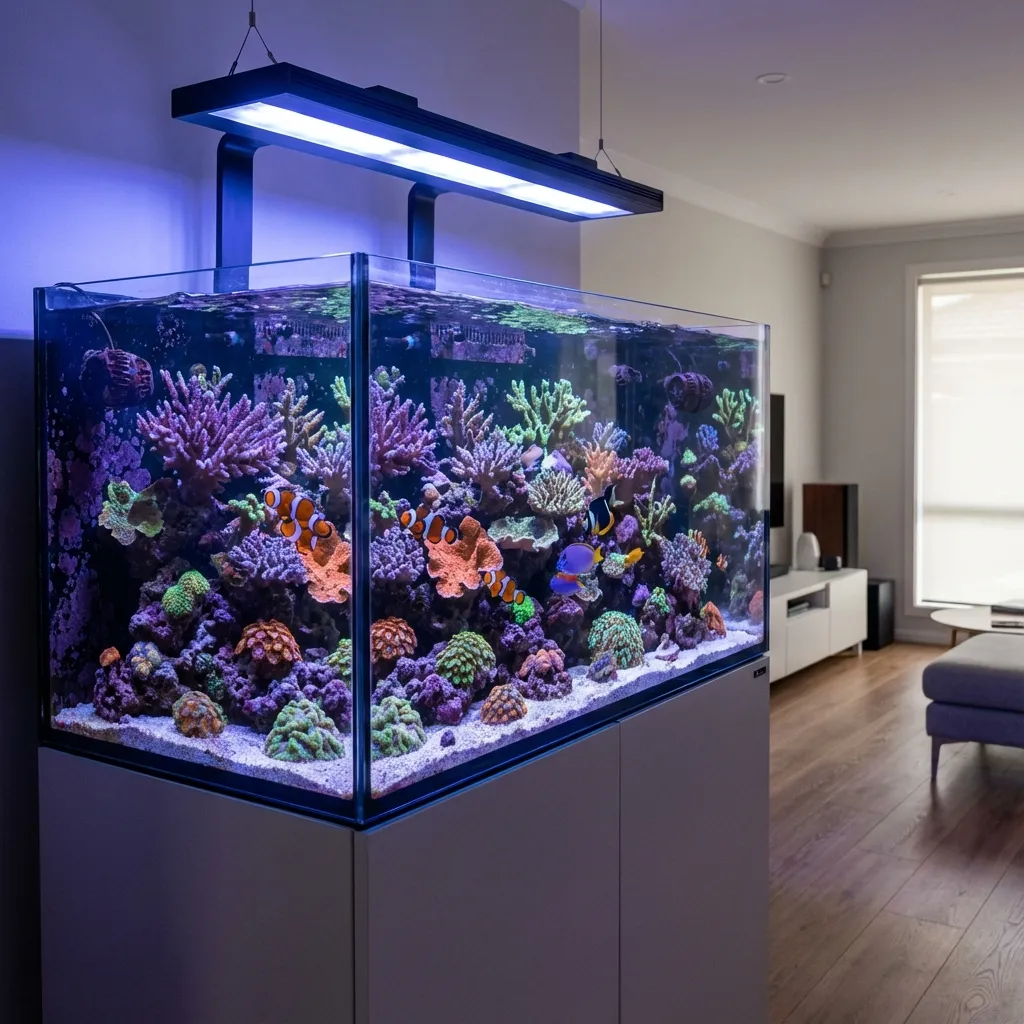
 Compare saltwater aquarium kits by filtration, lighting, water volume, and upgrade needs, then learn how to cycle and stock a marine tank safely.
Expert guidance for freshwater and saltwater aquariums
Aquarium keeping is a rewarding hobby that combines aesthetics with biology. Whether you're interested in freshwater community tanks, planted aquascapes, or marine reef systems, success requires understanding water chemistry, filtration, lighting, and fish compatibility. Our comprehensive guides help both beginners and experienced aquarists create and maintain thriving aquatic ecosystems.
Zoolory's aquarium care guides cover everything from initial setup to ongoing maintenance, fish selection, plant care, and disease prevention. We provide detailed product reviews for filters, heaters, lighting, test kits, and decorations. Our expert content helps you design the perfect aquatic environment for your fish and plants.
Expert guidance for successful aquatic ecosystems
We cover all aspects of aquarium success:
• Water Chemistry: Testing and maintaining proper pH, ammonia, nitrite, and nitrate levels • Filtration Systems: Mechanical, biological, and chemical filtration options • Lighting Solutions: Appropriate lighting for plant growth and fish health • Tank Setup: Substrate selection, hardscaping, and plant arrangements • Fish Selection: Compatibility and care requirements for various species • Plant Care: Species selection, CO2 injection, and nutrient supplementation • Maintenance Routines: Regular tasks for optimal tank health
Quality products for thriving aquatic systems
We review products in these categories:
- Aquarium tanks of various sizes and styles • Filtration systems (canister, HOB, sponge filters) • Heaters and temperature control equipment • Lighting systems (standard, LED, full-spectrum) • Water test kits and monitoring equipment • Substrate and hardscaping materials • Live plants and plant supplements • Fish food and specialty feeds • Decorations and aquascaping materials
Essential tips for choosing the best products for your aquarium care guides & product reviews
Always prioritize quality over price. Your pet deserves products that are safe, durable, and built to last.
Read reviews, compare ratings, and check for certifications before making any purchase decision.
Think about long-term costs including replacements, accessories, and maintenance when comparing prices.
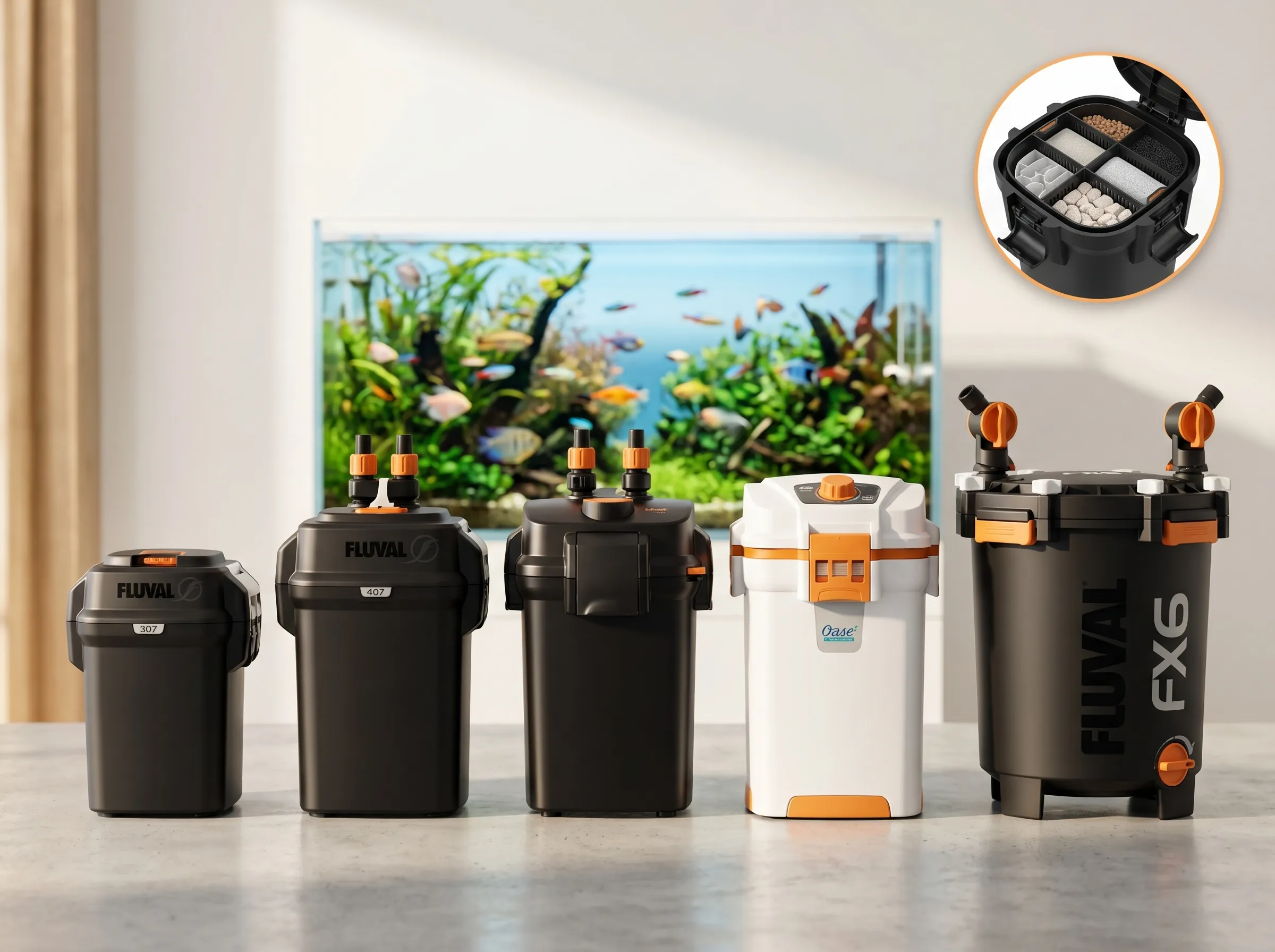
A filter should process 4-6 times the tank volume per hour. For a 100-gallon tank, look for a filter rated for 400-600 GPH (gallons per hour).
Weekly water changes of 10-25% are recommended for most tanks. Test your water regularly and adjust based on nitrate levels and fish load.
Most tropical fish thrive between 75-80°F (24-27°C). Research your specific species, as some fish need cooler or warmer temperatures.
 Expert Advice
 Questions